Oases Between Challenges and Solutions: Can They Survive the Threats of Time?
By Mohammed Tafraouti
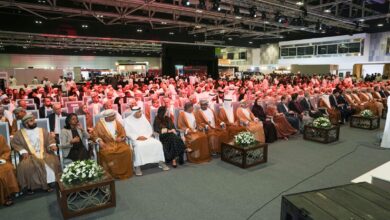
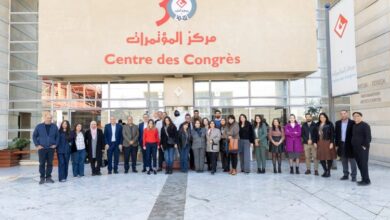
The city of Ouarzazate—renowned as the oasis of cinema and the magic of the South—hosted the second edition of the International Conference on Oases and Date Palm on May 22–23, 2025. This scientific and human-centered event brought together a distinguished group of researchers, experts, and decision-makers from Morocco and beyond, under the theme: “Resilience and Adaptation in Oasis Ecosystems in the Face of Global Changes.”
The conference took place amid growing awareness of the need to address environmental challenges holistically—beyond technical solutions—to embrace human-centered thinking, rooted knowledge, and a balance between resources and their use. Oases are not merely groves of palm trees; they are living systems, pulsating with a history of coexistence with drought, innovation under scarcity, and the creation of life in the heart of aridity.
Moroccan Oases: A “Reservoir of Biodiversity” in Urgent Need of Protection
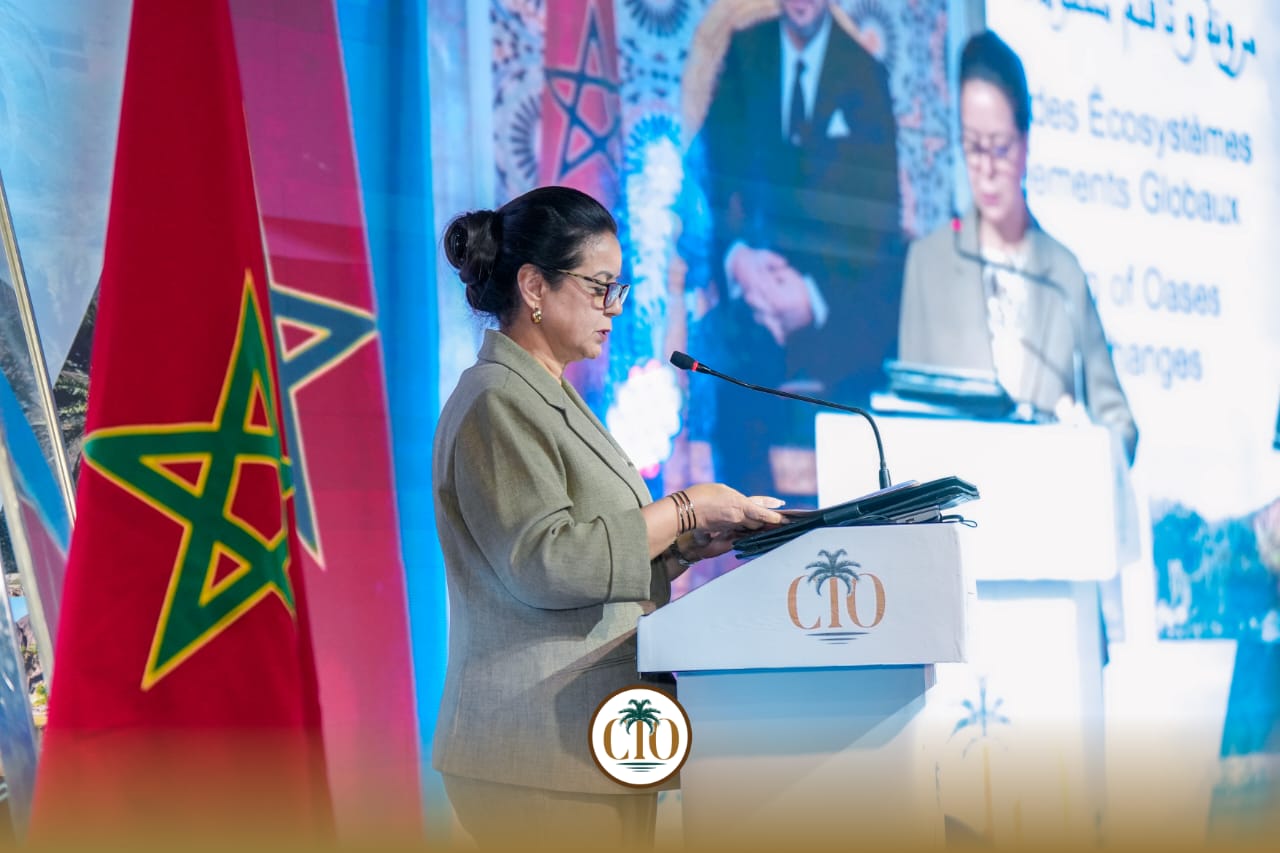
In a speech delivered on behalf of the Minister of Agriculture, Fisheries, Rural Development, Water and Forests, Ms. Latifa El Yacoubi, Director of the National Agency for the Development of Oases and Argan Tree Areas (ANDZOA), stated that Moroccan oases face unprecedented challenges threatening their very existence. These challenges are the result of environmental, economic, and social imbalances.
The minister stressed that climate change and successive years of drought have weakened the oases’ capacity to withstand the harsh desert conditions, which requires a collective mobilization to safeguard these fragile ecosystems. He noted that the oases, covering around 60,000 hectares, represent a biodiversity reservoir and a global natural heritage that deserves preservation and enhancement. He emphasized the importance of leveraging scientific research and modern technology to support the development of these areas.
The ministry has implemented several major development programs and strategies, including the Green Morocco Plan and the Green Generation Strategy, alongside efforts to rehabilitate oases, improve date palm production, and combat deadly diseases such as Bayoud. These initiatives, carried out in partnership with ANDZOA, aim to improve the living conditions of local populations and strengthen their resilience through income-generating activities and the valorization of local products.
The minister also pointed out that oasis development is not limited to the agricultural aspect but also includes social and cultural dimensions, as oases are a civilizational heritage reflecting the richness and diversity of Moroccan identity. He called for an integrated and sustainable approach that considers the specificities of oasis territories and reinforces synergy among institutional and civil actors. He concluded by reaffirming the ministry’s commitment to continue supporting these sensitive areas, urging for enhanced scientific research and international collaboration to overcome the environmental and social challenges facing the oases and to secure a better future for upcoming generations.
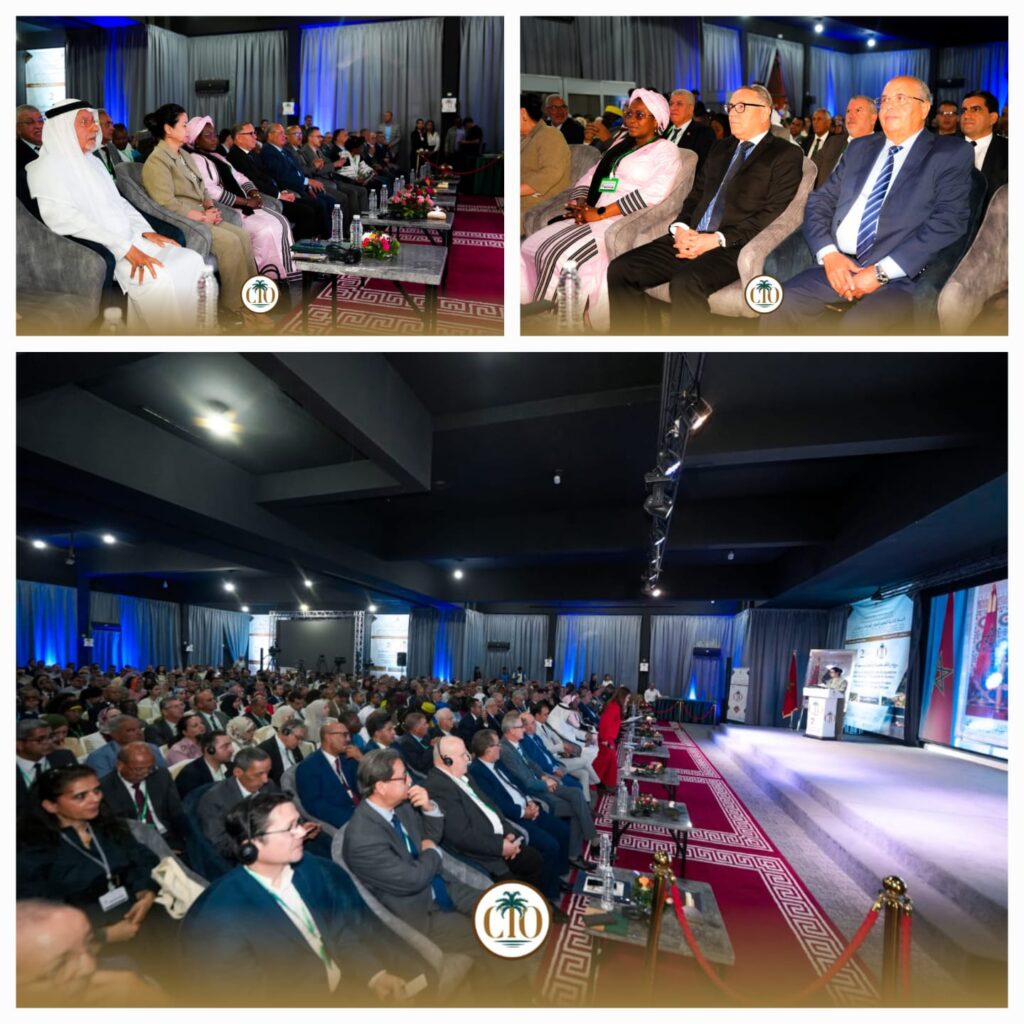
In this context, a number of structural projects were highlighted, focusing on equipping agricultural lands, improving irrigation networks, and enhancing value chains—especially in date palm cultivation and production—as a fundamental lever for economic and social development in oases. These projects contributed to creating permanent and seasonal jobs and strengthening the capacities of local cooperatives, particularly those involved in valorizing natural products like dates and aromatic and medicinal plants.
The ministry gives special attention to tackling climate challenges that threaten oasis ecosystems through climate adaptation programs, water resource valorization, and fostering research and innovation in oasis agriculture.
A Scientific Platform… and an Open Laboratory for Questions
The conference was not merely a celebration of place but a workshop of scientific dialogue around real issues: accelerating desertification, biodiversity degradation, water resource depletion, soil salinization, and the impact of climate change on the balance of oasis systems. The scientific sessions spanned topics such as environment, water, soil, energy, local economy, and the socio-cultural dimension.
Among the expert contributions from Europe, the Gulf, and North Africa, several proposals stood out—calling for the integration of artificial intelligence in oasis management, the development of sustainable agriculture, and the valorization of local products, especially dates and medicinal and aromatic plants. Discussions also emphasized the importance of reviving traditional knowledge, transmitting it to new generations, and effectively involving women and youth in renewal dynamics.
Institutions and Participating Actors
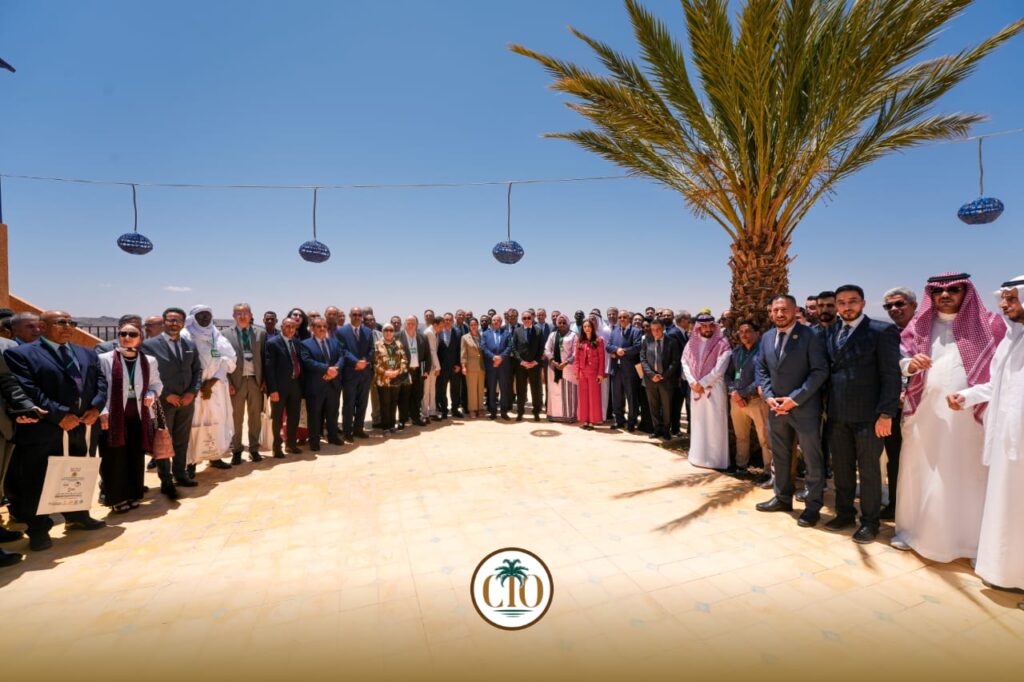
The conference brought together a distinguished group of researchers, experts, and stakeholders from around the world, representing prestigious research and academic institutions such as the International Center for Agricultural Research in the Dry Areas (ICARDA), Mohammed V University in Rabat, Ouarzazate University, as well as experts from the Gulf, Europe, and Africa. The event also welcomed representatives from government sectors, NGOs, civil society initiatives, and youth and women’s groups—who formed a central pillar in the discussions and workshops, affirming the importance of inclusive participation in shaping the future of oases.
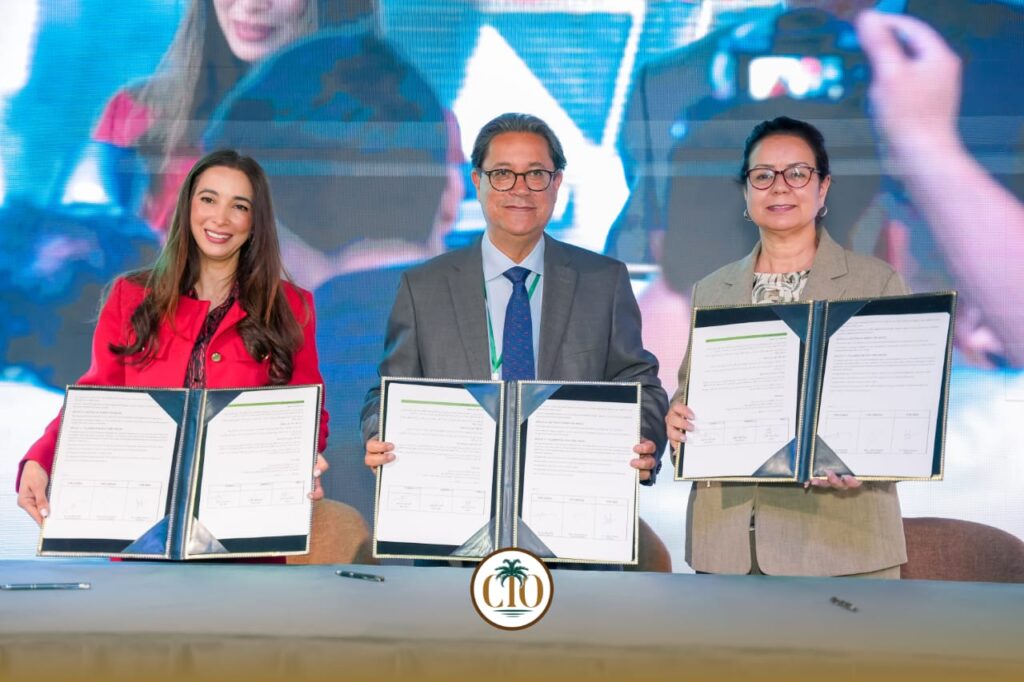
Strategic partnership agreements were signed between ICARDA and several Moroccan institutions to strengthen scientific research, exchange expertise, and develop sustainable technical solutions to protect and develop oases.
From Date Palms to an Energy of Hope
Several sessions focused on the date palm value chain, considered the backbone of the oasis economy and a symbol of the land’s identity and continuity. Discussions addressed palm diseases, valorization techniques, and fair marketing approaches. There were also calls to boost innovation through solar-powered desalination, smart irrigation management, and climate-resilient farming.
Yet technology was not the only focus; questions of identity and spatial justice accompanied the debate: How do we reintegrate oases into their wider environment? How do we shift from an intervention logic to a participatory one? Do we have the political will to translate recommendations into inclusive and sustainable development policies?
The Oasis: From a Symbol of Rescue to a Vision of Salvation
As the conference concluded, it left behind more than just technical recommendations—it offered a vision that touches the core of the issue. Oases can only be protected if they are seen as part of the world’s broader solutions. They are environmental schools in their own right—teaching us how to endure, conserve, and coexist. They are laboratories for the future—if we reconnect people to their land and build bridges between tradition and innovation, between the local and the global.
And so, the question we began with opens onto a broader horizon: Will the oases save us? Or must we save ourselves through the oases?
There is no definitive answer, but there is hope—renewed with every planted shoot, every preserved drop of water, every transmitted piece of knowledge, and every youth integrated into a promising vision.