By Mohammed Tafraouti
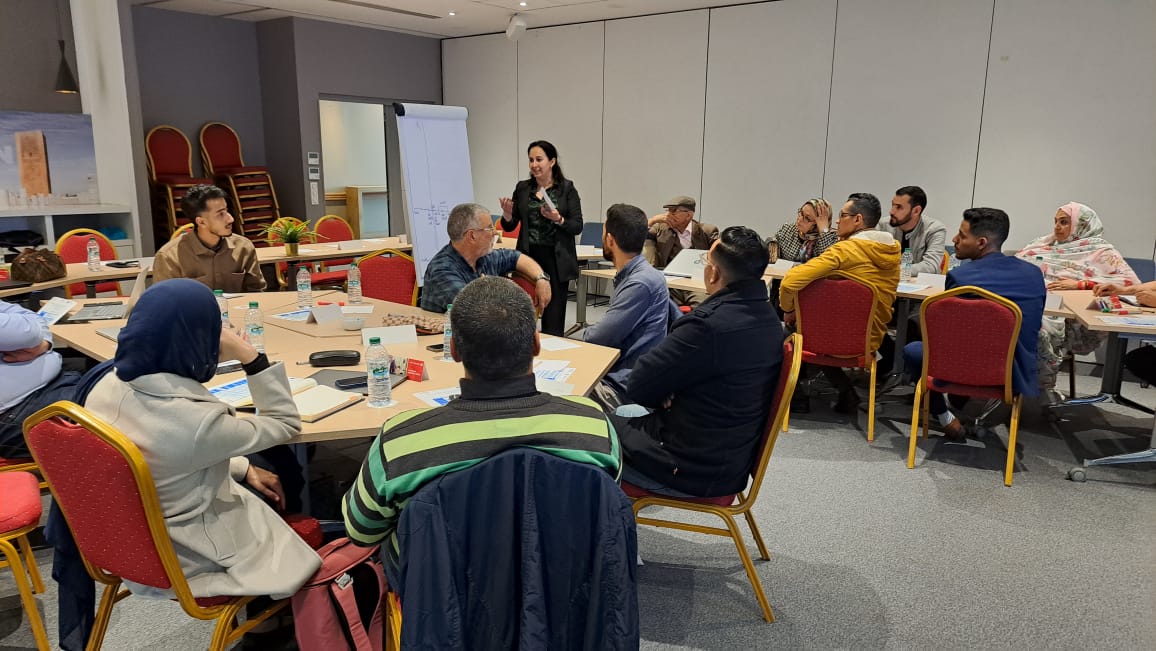
The city of Rabat hosted a hybrid workshop dedicated to developing the Moroccan Wetlands Alliance’s 2026–2030 Strategic Plan. The event brought together member associations of the Alliance, representatives of the National Agency for Water and Forests, and a range of environmental stakeholders. The workshop marked an important institutional milestone aimed at building a shared vision for the Alliance’s priorities over the coming years while strengthening the contribution of civil society to wetland conservation and environmental governance.
The workshop culminated a participatory process launched through a series of virtual meetings focused on assessing the Alliance’s current situation, reviewing its areas of intervention, and exchanging perspectives on the challenges and opportunities surrounding wetland conservation. The in-person session enabled participants to move toward defining strategic priorities and establishing a common roadmap based on dialogue, knowledge sharing, and consensus among the Alliance’s diverse members.
Participants identified four strategic pillars that will guide the Alliance’s work between 2026 and 2030. These include strengthening the capacities of member associations and civil society actors through training and institutional development; promoting scientific research and knowledge generation on wetlands; reinforcing advocacy to ensure that wetland issues are better integrated into public policies; and expanding communication and awareness-raising efforts to foster greater public understanding of the ecological importance of wetlands and their contribution to sustainable development.
These strategic priorities reflect the evolving landscape of environmental governance, where scientific knowledge, long-term planning, and participatory approaches have become essential tools for enhancing the effectiveness of civil society initiatives, strengthening dialogue with public institutions, and contributing to more sustainable solutions for the protection of fragile ecosystems.
The broad participation of member associations, together with representatives of the National Agency for Water and Forests, underscored the importance of strengthening coordination among stakeholders engaged in wetland conservation. It also highlighted the need to develop partnerships that support the protection, restoration, and sustainable management of wetlands in line with Morocco’s national commitments to biodiversity conservation and the sustainable management of natural resources.
The workshop was organized within the framework of the AMUSSU Project, implemented under the Strategic Support Programme for Civil Society in Morocco and funded by the European Union. The project seeks to strengthen the capacities of civil society organizations and expand their contribution to environmental governance by supporting participatory initiatives and enhancing advocacy and coordination mechanisms among stakeholders.
The preparation of this strategic plan is particularly significant given the environmental, economic, and social functions performed by wetlands. These ecosystems play a vital role in conserving biodiversity, regulating the water cycle, storing carbon, reducing the impacts of floods and droughts, and supporting local economic activities such as fisheries, ecotourism, and agriculture.
The outcomes of the workshop signal the Moroccan Wetlands Alliance’s commitment to strengthening its institutional role over the coming years through a clear strategic vision, shared priorities, and enhanced coordination and advocacy mechanisms. This renewed direction is expected to reinforce the Alliance’s contribution to wetland conservation, safeguard the ecosystem services provided by these vital environments, and support Morocco’s national and international commitments to biodiversity conservation and the sustainable use of natural resources.