Mohammed Tafraouti
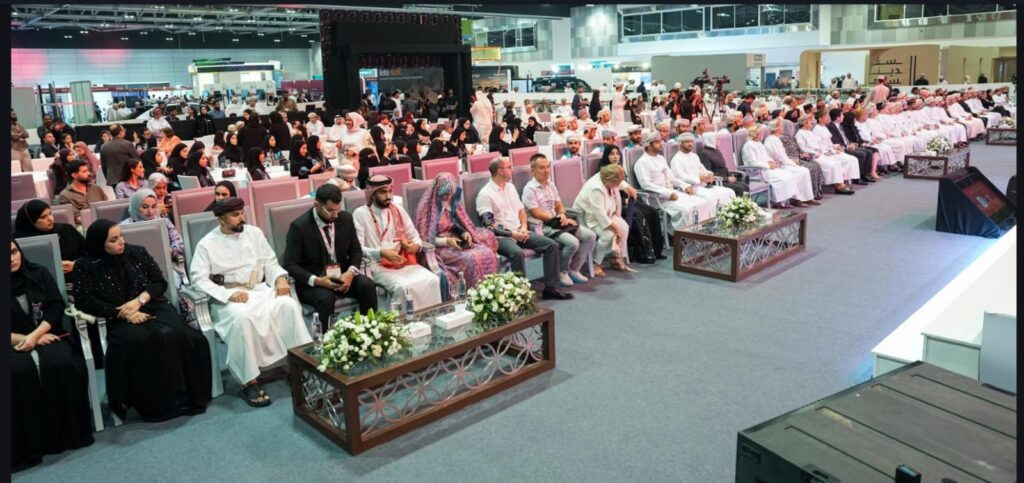
Muscat concluded three days of intensive climate dialogue, bringing together officials, experts, scientists, researchers, representatives of government institutions, the private sector, international organizations and civil society to discuss issues shaping the next phase of climate action.
Held under the theme “From Vision to Implementation,” the second edition of Oman Climate Week 2026, organized by the Environment Authority at the Oman Convention and Exhibition Centre, delivered a clear message: accelerate the transition from commitments and plans to projects and programmes with measurable outcomes, while expanding partnerships, investment and innovation.
The final recommendations placed clean energy, green hydrogen and low-carbon technologies at the forefront of climate investment, alongside the development of carbon markets and climate finance mechanisms, and stronger cooperation among government, the private sector, academic institutions and civil society.
These priorities reflect the changing nature of the climate debate. Climate action is now directly connected to investment, technology, infrastructure, the economy, health and quality of life, as well as to the ability of countries and communities to build long-term solutions for adapting to the impacts of climate change.
A Platform Connecting Policy, Science and Investment
The significance of Oman Climate Week lies in the diversity of stakeholders it brings together around shared challenges. Government officials meet researchers, international expertise intersects with national experience, and the private sector gains a space to explore investment opportunities, while young people and innovators have a platform to present their ideas and establish new connections with institutions and experts.
This diversity was clearly reflected in the three-day programme, which moved across nationally determined contributions, climate finance, carbon markets, energy, smart cities, technology, resilience, nature protection, water and health, as well as innovation, entrepreneurship and youth participation.
Such platforms become increasingly important as the gap widens between the scale of climate challenges and the speed of response. Specialized dialogue helps identify these gaps, exchange experiences and explore opportunities for cooperation, while bilateral meetings, workshops and interactive spaces create opportunities to turn ideas into partnerships and projects.
Investing in Clean Energy
The transformation of the energy sector occupied a central place in the outcomes of the week, with calls to accelerate investment in clean energy and green hydrogen and support low-carbon technologies.
This area represents a core component of the climate-related economic transition, particularly as the demand grows for more sustainable energy sources, new industries, investment opportunities, jobs and skills associated with the green economy.
The discussion was also linked to the development of financial instruments and markets capable of supporting climate projects, placing climate finance, carbon markets and Article 6 of the Paris Agreement among the programme’s prominent themes.
Climate Action Enters the Urban Landscape
The discussions also moved into the urban sphere, examining the future of smart cities, sustainable construction, energy efficiency and sustainable mobility.
Cities have become one of the most important arenas for climate action, bringing together populations, economic activities, transport, buildings and services. Developing more energy-efficient buildings, improving transport systems and adopting smart technological solutions can therefore combine emissions reductions with improvements in quality of life.
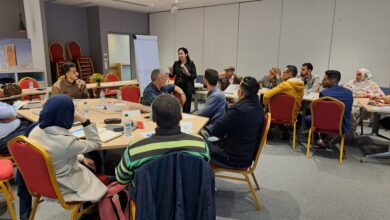
Specialized workshops reinforced this direction by focusing on energy efficiency in Oman’s built environment and connecting the national strategy with the practical design of buildings.
Nature, Water and Health at the Heart of Resilience
The third day devoted significant attention to the relationship between climate change and the protection of natural and cultural heritage, as well as the role of local communities, traditional knowledge and ecosystems in strengthening adaptive capacity.
The discussion also extended to water, health and infrastructure, sectors directly affected by climate change and requiring investments and policies that strengthen their resilience.
At the “Clean Air for Health and Prosperity” conference, the dialogue took on a dimension more closely connected to everyday life, addressing air pollution under rising temperatures, air quality, industrial emissions, clean transport, and the co-benefits of climate action and public health.
This connection between climate, health and environmental quality broadens the scope of climate action and links its outcomes directly to people’s lives and well-being.
Circular Economy: Turning Resources into Opportunities
The circular economy, waste management and resource recovery were also part of the vision presented during the week, as areas that bring together environmental protection, economic efficiency and innovation.
Workshops and interactive activities offered practical examples of this approach, including a workshop exploring sustainability and the circular economy through an interactive format, alongside the Oman Ecothon 2026 challenges addressing food waste and greenhouse gas emissions, cooking oils, microplastic pollution, contaminated soil remediation, and methane and fugitive emissions monitoring.
These experiences carry particular value because they place participants in front of real-world problems and encourage them to develop solutions and prototypes that can be tested and implemented.
Youth: From Dialogue Space to Solutions Space
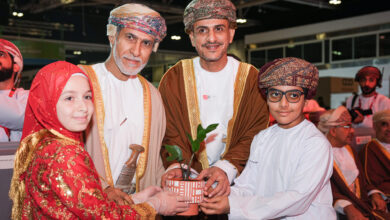
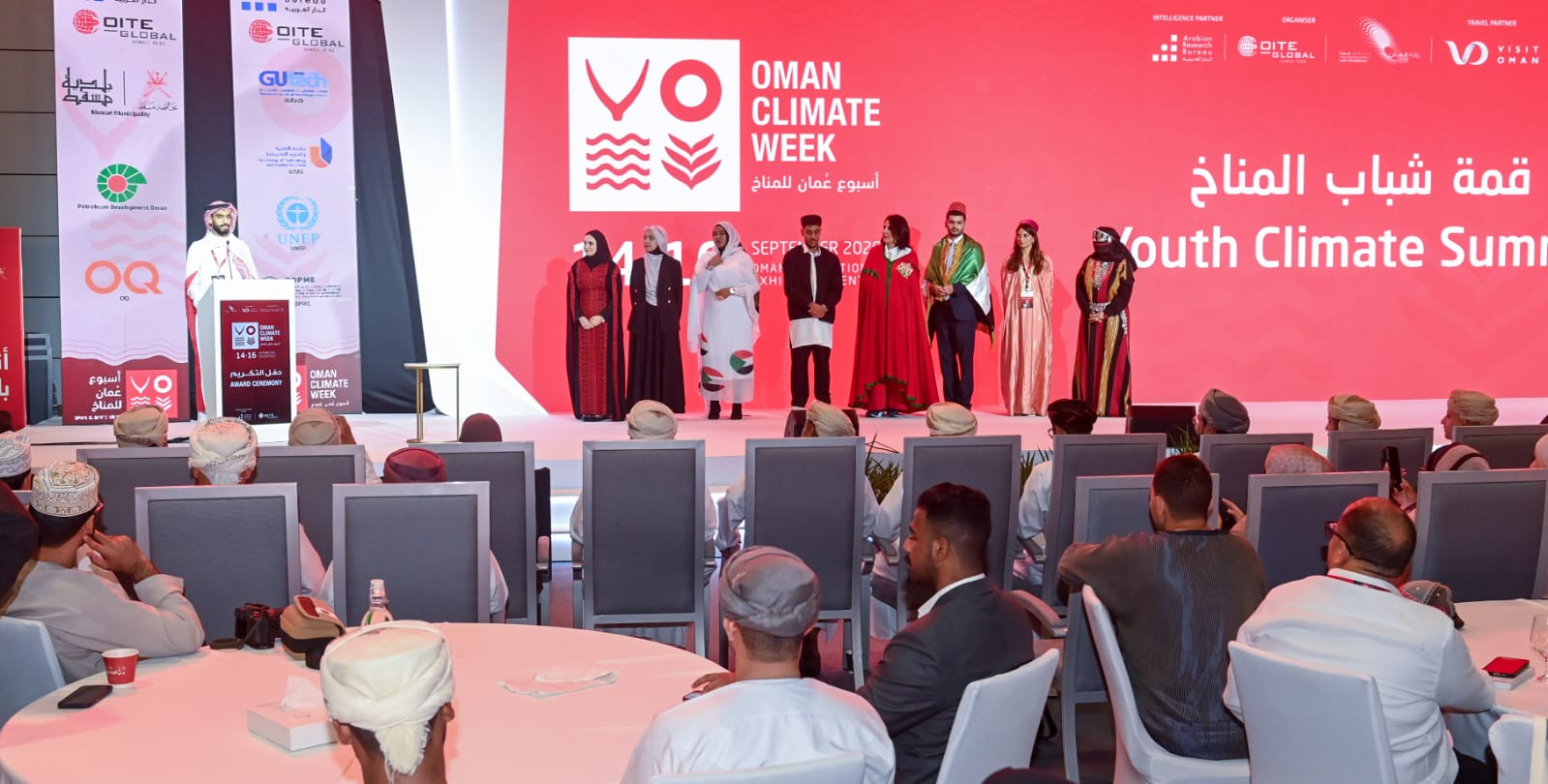
Youth participation was among the prominent features of Oman Climate Week, which hosted the Regional Conference of Youth on Climate Change in the Middle East and North Africa (RCOY MENA 2026), bringing together around 500 young people from more than 22 countries.
Participants discussed adaptation and resilience, renewable energy and green hydrogen, emissions reduction and decarbonization, the circular economy, sustainable cities, green jobs and skills, youth entrepreneurship, climate finance, sustainable mobility and climate technologies.
This participation was further strengthened through the Green Entrepreneurship Hackathon, dialogue sessions, workshops and networking spaces connecting young people with experts and decision-makers.
This approach gives young people an opportunity to move from following the climate debate to contributing to the development of solutions, initiatives and policies, while building a regional network capable of sharing expertise and connecting youth potential with national and international institutions.
Turning Knowledge into Tools
Oman Climate Week also dedicated significant space to capacity building through sessions and workshops addressing Article 6 of the Paris Agreement and carbon markets, energy efficiency in the built environment, climate change awareness, psychological resilience within the education community, and decision-support tools across the green hydrogen value chain.
These areas have practical importance because implementing climate policies requires specialized expertise and scientific knowledge capable of dealing with data, technologies, finance, project development and the assessment of outcomes.
Oman Climate Week thus emerged as a multi-level platform where political vision meets scientific research, investment meets innovation, energy meets cities, nature meets health, and young people meet decision-makers.
After three days of meetings, discussions, workshops and practical experiences, one priority stands out: accelerating investment in climate solutions, building broader partnerships, turning ideas and successful models into scalable projects, and connecting scientific knowledge with practical implementation.
The value of such gatherings ultimately lies in the cooperation, projects and capacities they leave behind. The conference hall opens the door to dialogue; the workshop refines the idea; partnership gives it room to grow; investment turns it into a project; and measurement reveals its impact on the ground.
Through this chain of action, vision can move closer to implementation, and climate action can become a practical pathway where policy, investment, science, innovation and society intersect.
From Muscat, the days of dialogue have come to an end, and the stage of testing ideas on the ground has begun.