MOHAMMED TAFRAOUTI
The current dynamics reshaping the global energy system, under the pressure of climate change and geopolitical fluctuations, provide a key entry point for understanding the emergence of the concept of green energy sovereignty. This concept reflects a qualitative shift in how states position themselves within economic and strategic equations. The challenge is no longer limited to securing energy supply; it is now tied to countries’ ability to produce their own energy from local clean sources, control their value chains, and direct them toward sustainable development.
At the heart of these transformations, the TeraMed initiative stands out as an ambitious regional vision that redefines the relationship between energy and development across the African and Mediterranean space. It frames the energy transition not merely as a technical option, but as an integrated development project aimed at localizing clean energy production, stimulating investment, and creating green jobs, while strengthening economic integration and reducing territorial disparities. In this sense, TeraMed gives a new strategic dimension to the concept of energy sovereignty by linking it to employment, industrial sovereignty, and social justice.
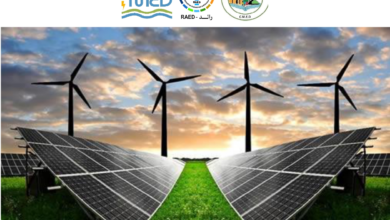
In this context, Morocco emerges as a distinctive case in the developing world, having chosen for over a decade to invest in renewable energy as a pathway to redefining its energy position. The national energy strategy launched in 2009 marked a turning point, opening the door to large-scale investments in solar and wind energy, and laying the foundations for a gradual transition toward a less externally dependent energy model. This direction has materialized in major projects, most notably the Noor Ouarzazate Solar Complex, which has become more than just an electricity generation facility, it is a symbol of a national ambition to reposition Morocco on the global energy map.
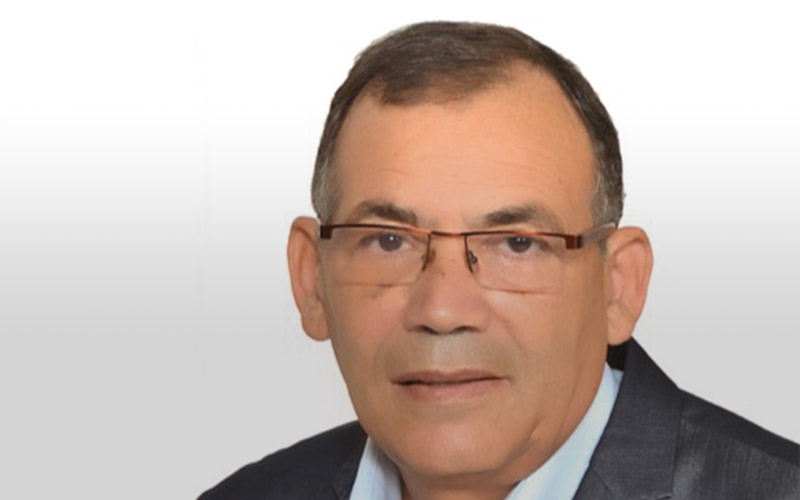
However, despite the progress achieved, this ambition raises deeper questions today about the extent to which comprehensive energy sovereignty has been realized. In this regard, expert Mohamed Ftouhi, President of the Moroccan Club for Environment and Development, explains that green energy sovereignty goes beyond simply increasing the share of renewables in the electricity mix. It also involves mastering technology, developing local industry, and reducing dependence on external actors across all stages of the production chain. He adds that, despite Morocco’s notable progress in clean energy, the country remains in a transitional phase, where energy transition is advancing steadily while full sovereignty has yet to be achieved.
Regarding key challenges, the expert highlights technological dependency as a structural constraint, alongside financing issues and growing pressure on water resources, particularly in the context of green hydrogen projects. He also warns against the risk of reducing this strategic ambition to a mere export opportunity without generating real added value within the national economy. Green hydrogen, despite its promising potential, will only serve as a lever for energy sovereignty if it is accompanied by industrial localization and effective knowledge transfer.
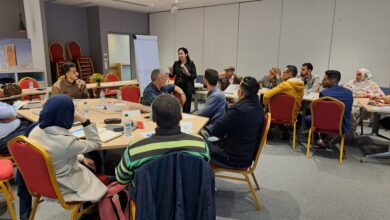
At the same time, civil society and communication initiatives play a crucial role in supporting this transition. In this regard, the organization of an awareness campaign on energy security in Morocco by the Moroccan Club for Environment and Development, in coordination with the Raed Network, is part of broader efforts to strengthen public awareness of the importance of energy transition and to promote a culture of responsible energy consumption. Such initiatives aim to bring the concept of energy sovereignty closer to citizens and to foster public debate on its challenges and opportunities, thereby turning energy transition into a collective project involving all stakeholders.
It appears that Morocco has made significant progress toward energy transition, yet it remains at the early stages of achieving true green energy sovereignty. Between legitimate ambition and structural constraints, the future of this trajectory will depend on the country’s ability to move from being a technology consumer to a producer, and from a position of dependency to one of strategic positioning within a global economy increasingly shaped by clean energy.
In the context of the growing debate around certain regional initiatives related to the energy transition, such as the TeraMed initiative and its connection to our country’s ambition to achieve green energy sovereignty, expert Mohamed Ftouhi offers a focused perspective on the stakes of this phase through this brief interview:
Question: What is the context and what are the objectives of the TeraMed initiative? Which entities are responsible for promoting it, and to what extent does it align with Morocco’s energy strategy and regional climate efforts?
Answer: The TeraMed initiative is part of a rapidly evolving regional dynamic aimed at reshaping the Mediterranean energy system, amid rising climate challenges, energy security concerns, and global geopolitical shifts. It has emerged as an integrated vision designed to strengthen cooperation between both shores of the Mediterranean through the development of major renewable energy projects, particularly in solar energy and green hydrogen, while fostering regional value chains and localizing energy industries. It is mainly promoted by regional cooperation platforms bringing together institutional and economic actors, as well as research networks and Mediterranean think tanks, with support from national governments and international partners.
Its objectives include accelerating the deployment of clean energy, strengthening energy sovereignty, creating green jobs, and enhancing energy interconnections between Europe and Africa. It also seeks to position the energy transition as a driver of sustainable development rather than merely a technical shift in energy sources.
For Morocco, the initiative aligns closely with the national energy strategy launched in 2009, which is based on diversifying the energy mix, increasing the share of renewables, and engaging in green hydrogen projects. It also intersects with the country’s climate commitments, particularly under its Nationally Determined Contributions (NDCs) and its engagement in the global framework stemming from the Paris Agreement. At the regional level, TeraMed adds a new dimension by linking national strategies within a shared Mediterranean vision and strengthening Morocco’s role as a bridge between Africa and Europe in clean energy. However, achieving these ambitions will depend on countries’ ability to shift from being technology consumers to becoming producers and innovators.
Question: How do you assess Morocco’s current position in achieving green energy sovereignty?
Answer: Morocco has made significant progress in renewable energy, which cannot be denied, but it remains in a transitional phase between dependency and sovereignty. What has been achieved is primarily a transformation in electricity production, while full sovereignty requires control over technology and value chains, something that is not yet fully realized.
Question: What are the main challenges hindering this process?
Answer: The main challenge is technological dependency, as Morocco still relies heavily on external equipment and expertise. There are also financing constraints, as well as pressure on natural resources, particularly water, in the context of large-scale projects such as green hydrogen. Another key challenge is the extent to which local actors are integrated into this transition.
Question: Can green hydrogen be an opportunity to strengthen energy sovereignty?
Answer: Yes, but under certain conditions. Green hydrogen can offer Morocco a strategic global position, but the risk lies in turning it into a mere export commodity without generating domestic added value. Without linking it to local industrialization and technology transfer, we may simply reproduce patterns of dependency in a “green” form.
Question: What priorities do you consider essential for strengthening energy sovereignty in the future?
Answer: Priority should be given to localizing the energy industry, supporting scientific research, and developing national skills. It is also important to promote energy democracy, enabling citizens and businesses to produce and consume their own energy, because energy sovereignty is not only achieved at the state level but also at the societal level.
Question: What roles do institutional actors, civil society, and the media play in promoting clean energy transition and implementing the TeraMed initiative?
Answer: Different actors play complementary roles in ensuring the success of the energy transition. Institutional actors are responsible for designing public policies, providing regulatory frameworks, encouraging investment, and ensuring coordination among stakeholders. They also play a key role in supporting research and innovation. Civil society contributes through awareness-raising, public engagement, and advocacy for energy justice, ensuring that local communities are included in the transition. Meanwhile, the media serve as a strategic lever for disseminating knowledge, simplifying complex energy issues, fostering informed public debate, and supporting initiatives such as TeraMed through analytical content that strengthens collective awareness and encourages active participation in this national endeavor.