Mohammed TAFRAOUTI
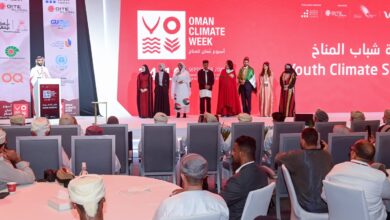
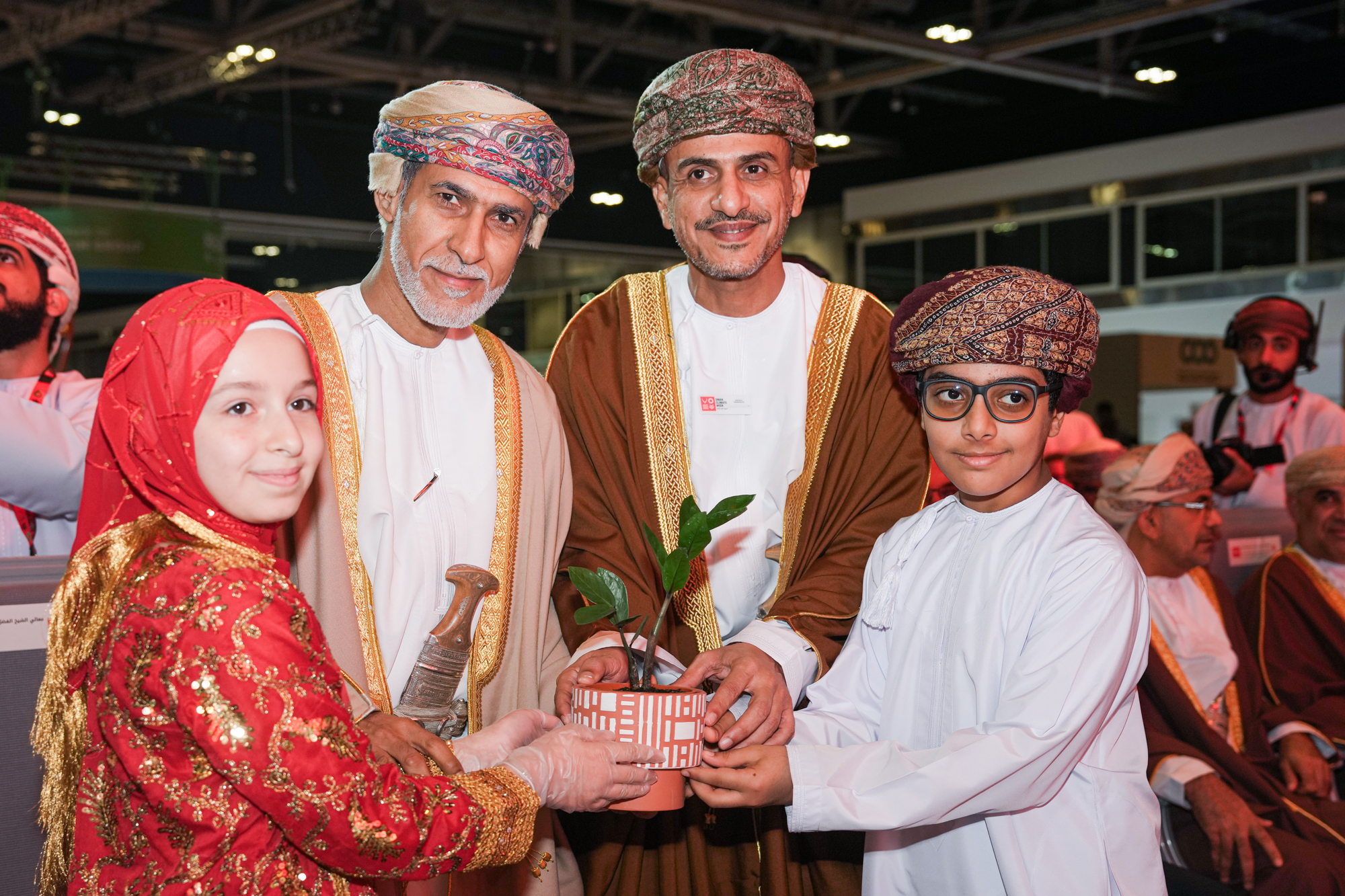
In Muscat, where energy bets intersect with questions of environment and development, Oman Climate Week 2026 opens today carrying a question that goes beyond conferences and statements: how can climate ambition be turned into action that changes reality?Three days in the Omani capital bring together more than 5,000 participants, 400 speakers, and representatives from over 50 countries, alongside experts, decision-makers, the private sector, researchers, innovators, and youth. The week’s sessions open files ranging from energy transition, green hydrogen, and climate finance to circular economy, biodiversity, nature-based solutions, and innovation.At the heart of this dynamic stands Dr. Abdullah bin Ali Al-Omari, Chairman of the Environment Authority, who views climate action as more than environmental protection, as a redefinition of the relationship between economy, energy, resources, and the future of development. For him, climate has become a decisive factor in economic and investment decisions and in societies’ resilience.In this interview, we pause with him to explore the significance of Muscat hosting this event, Oman’s vision for climate transition, and the most pressing question today: how do we move from pledges and ambitions to implementation, where strategies become projects, innovation becomes solutions, and partnerships yield measurable results?
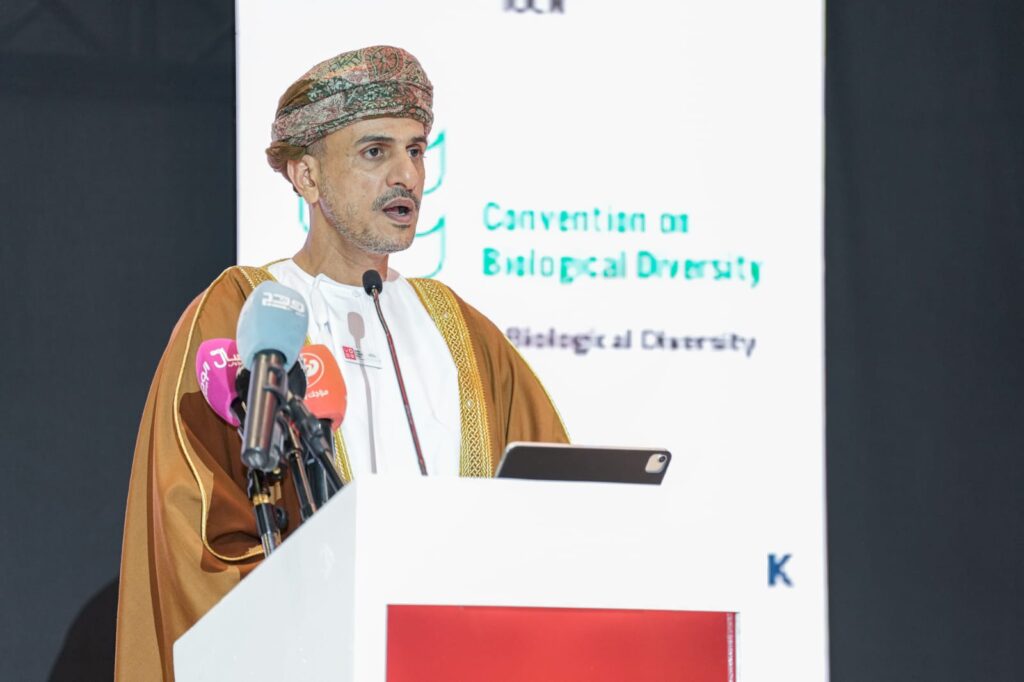
From Muscat to the World… Abdullah Al-Omari: Climate Action Needs Vision, Partnerships, and Tangible Results
Q: Muscat today witnesses the launch of the second edition of Oman Climate Week, with participation from more than 50 countries, over 5,000 participants, and 400 speakers, alongside dozens of events, training workshops, and environmental technologies. What does Oman seek to add through this event to the regional and international climate dialogue?
A: Oman Climate Week represents a space for dialogue, cooperation, and exchange of knowledge and expertise, but at the same time it reflects Oman’s orientation toward making climate action part of national and regional development pathways.We live in a stage where climate change is directly linked to energy, water, food, investment, economic security, and competitiveness. Addressing climate requires an integrated vision that combines environmental protection with development needs, and climate ambition with implementation capacity.The presence of such a large number of countries, participants, experts, institutions, the private sector, academia, and innovators in Muscat underscores the importance of building partnerships. We want the week to be a platform where ideas, knowledge, and experiences move into practical dialogue about solutions, projects, and mechanisms of implementation.
Q: The week carries the slogan “From Vision to Implementation.” You follow the global transformations in climate action, from negotiations to energy shifts, finance, innovation, and nature-based solutions. Are we facing a new stage in climate policy, or a deeper transformation in the very concept of development?A: I believe we are facing a deeper transformation in the concept of development. Climate action is no longer a separate environmental issue to be handled by a single sector or institution. It has become a core element in decisions about energy, water, food, investment, infrastructure, industry, and economy.Thus, moving from vision to implementation means climate considerations must be embedded in decision-making itself, and strategies and targets must turn into policies, projects, and investments that are executable and measurable.Oman views environmental sustainability as a central pillar of its development path, working toward net-zero carbon neutrality by 2050 through an organized and realistic transition that respects national priorities, maintains economic competitiveness and energy security, and opens the door to low-carbon technologies and solutions.
Q: The gap between climate commitments and on-the-ground implementation remains one of the biggest challenges in global climate action. What does the next stage require to turn strategies and commitments into projects and tangible results?A: First, we need to strengthen implementation capacity, which requires genuine partnerships among governments, the private sector, academia, research institutions, international organizations, and civil society.We also need finance, technology, data, and capacity building. Climate transition cannot be achieved by ambition alone. Tools must be available to enable countries, institutions, and communities to turn ambition into projects and solutions.This is where the importance of Oman Climate Week lies. We do not want dialogue to be detached from the real economy; we want to link knowledge, innovation, and finance to actual needs, and reach partnerships that yield applicable and scalable projects and solutions.
Q: Energy remains at the heart of the economic equation, while Oman moves toward net-zero and develops green hydrogen and clean energy projects. How do you view this transition, especially given the need to maintain energy security and economic competitiveness?
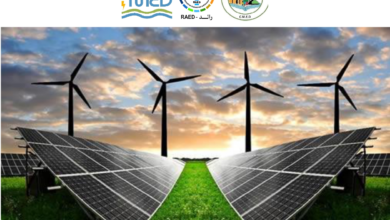
A: The energy transition must be organized, realistic, and considerate of national circumstances. For Oman, moving toward a low-carbon economy is an opportunity to develop new sectors and invest in technology and innovation, while safeguarding energy security and sustainable economic growth.Green hydrogen, renewable energy, and energy efficiency are key areas in this path. Innovation also opens new fields, such as developing hydrogen production solutions and utilizing treated water and brine from desalination processes.The goal is to build an integrated system that makes energy transition an economic and developmental opportunity, while reducing emissions and strengthening resilience against climate impacts
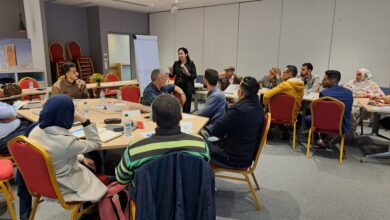
Q: Innovation has a strong presence at Oman Climate Week, through the “Eco-thon” with 150 innovators, training workshops, an exhibition with more than 80 exhibitors, and the announcement of a cooperation program to establish an Environmental Innovation Center. What vision underlies this initiative?
A: We want to move environmental innovation from the idea stage to the application stage. We have great potential among youth, researchers, innovators, and entrepreneurs, and this potential needs a system that embraces it and provides knowledge, technical and advisory support, finance, and partnerships.The Environmental Innovation Center can be an important part of this system, supporting incubation, acceleration, knowledge exchange, capacity building, and linking innovators and entrepreneurs with government, private sector, universities, and investors.The ultimate goal is for an idea to become a solution, a solution to become a project, and a project to become economic, environmental, and social value that is measurable and scalable.
: Nature-based solutions, mangroves, blue carbon, biodiversity protection, and circular economy occupy an important place in the week’s agenda. How can nature protection move from being an environmental concept to a lever for development and economy?
A. Nature is one of the most important elements of our ability to face climate change. Coastal ecosystems, including mangroves, play vital roles in protecting coasts, storing carbon, supporting biodiversity, and enhancing communities’ adaptive capacity.That is why we work to make these areas part of both climate and economic solutions. Investment in protected areas and eco-tourism, ecosystem restoration, blue carbon, circular economy, and waste management are all fields that can generate environmental, economic, and social value.Here too, partnerships with local communities, the private sector, and research institutions are crucial, so that nature protection becomes a path toward sustainable development, jobs, and innovation.Q: With rising climate costs and growing need for finance and technology, how can international partnerships be strengthened? Does Oman aspire for Muscat to become a regional platform for climate dialogue and action?A: Oman has a strategic location, economic potential, energy sector expertise, and a diplomatic legacy that can help it play an important role in regional and international climate dialogue.We believe climate action requires cooperation. No single country can face these challenges alone. We need to exchange knowledge, expertise, and technology, build investment and financing partnerships, and develop joint projects that deliver environmental, economic, and developmental benefits.Oman Climate Week provides an important space for this kind of engagement, bringing decision-makers, experts, international institutions, the private sector, innovators, and youth together in one place.
Q: Beyond the three days of Oman Climate Week, what impact do you hope this event will leave? What will make its success measurable?
A: The success of any climate event is not measured only by the number of sessions or participants, but by the cooperation, projects, decisions, and solutions it produces.We want Oman Climate Week to leave an impact that extends beyond its days, turning discussions into partnerships, ideas into projects, innovations into solutions, and knowledge into decisions.Our message is clear: the next stage requires accelerating climate action, linking ambition to implementation, and connecting climate work to the real economy, development, and quality of life.Oman is moving forward on this path with a clear vision based on sustainability, innovation, partnership, and investment in solutions that help build a more resilient and sustainable future for generations to come.Would you like me to refine this into a journalistic article ready for publication, or keep it as a faithful translation for reference?