by: Mohammed TAFRAOUTI
Amidst the global shift toward more sustainable energy systems, renewable energies have transcended their traditional role of merely generating electricity. They have become a fundamental pillar of the energy transition, a catalyst for the green economy, and a driver for enhancing resilience against environmental challenges while achieving sustainable development.
From this standpoint, training initiatives aimed at youth and students take on particular importance, serving as a strategic investment in the human capital that will drive this transformation over the coming decades.
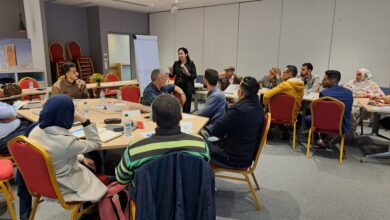
In this context, the digital space hosted a virtual training workshop that brought together students interested in environmental issues and clean energy. This initiative did not stop at delivering theoretical knowledge; rather, it sought to transform knowledge into practical projects and field-based initiatives capable of creating a tangible impact within universities and local communities.
The meeting was characterized by dynamic discussions and a diverse range of questions. It addressed the concept of renewable energies, their role in mitigating the impacts of climate change, and their contribution to achieving the Sustainable Development Goals (SDGs), while also highlighting the challenges facing the energy transition and the opportunities this shift presents at both national and international levels.
However, the distinct added value of this meeting lay in the introduction of the “TeraMed” initiative, which represents a new model linking training with field action. The initiative does not merely spread a culture of renewable energy; it actively works to discover promising local initiatives, mentor and support their creators, and inspire them to develop innovative projects that address the specific needs of their communities.
The significance of “TeraMed” stems from its reliance on youth as partners in co-creating solutions, rather than just beneficiaries of training programs. It opens doors for students to turn ideas into actionable initiatives, provides a framework for networking among local actors, and encourages the documentation of successful experiences and knowledge sharing, thereby fostering a culture of eco-innovation and collective action.
A prominent feature within this initiative is the “Local Champions for Renewable Energy” program. It aims to showcase inspiring local models in the field of clean energy and encourage positive competition among youth to launch projects with meaningful environmental and developmental impacts. The focus remains on applicable solutions within neighborhoods, villages, and educational institutions.
This program also reflects a paradigm shift in environmental action: moving from mere awareness-raising to the actual creation of initiatives, and from knowledge transfer to empowering youth to lead change. This makes it an effective mechanism for supporting the SDGs, particularly those related to clean energy, climate action, and building partnerships.
The uniqueness of this type of gathering lies in its establishment of an integrated pathway. It begins with training, moves through mentoring participants and evaluating their initiatives, and culminates in selecting promising projects and promoting them in the media, thereby ensuring the sustainability of their impact and turning ideas into tangible achievements on the ground.
Consequently, investing in the training of youth in renewable energy has become a crucial stake in preparing a generation equipped with the knowledge and skills necessary to face future challenges. The more we expand the circle of initiatives that combine scientific mentoring with practical guidance, the greater the chances of witnessing the rise of a new generation of local leaders capable of contributing to a more sustainable future, one where knowledge is the launchpad for initiative, and initiative is the path toward positive change.
Against this backdrop, we conducted this interview with the President of the Moroccan Club for Environment and Development, Dr. Mohamed Foutouhi, who discussed the club’s vision for enhancing youth participation in energy transition and sustainable development issues, as well as the horizons these initiatives open for a new generation of local leaders.
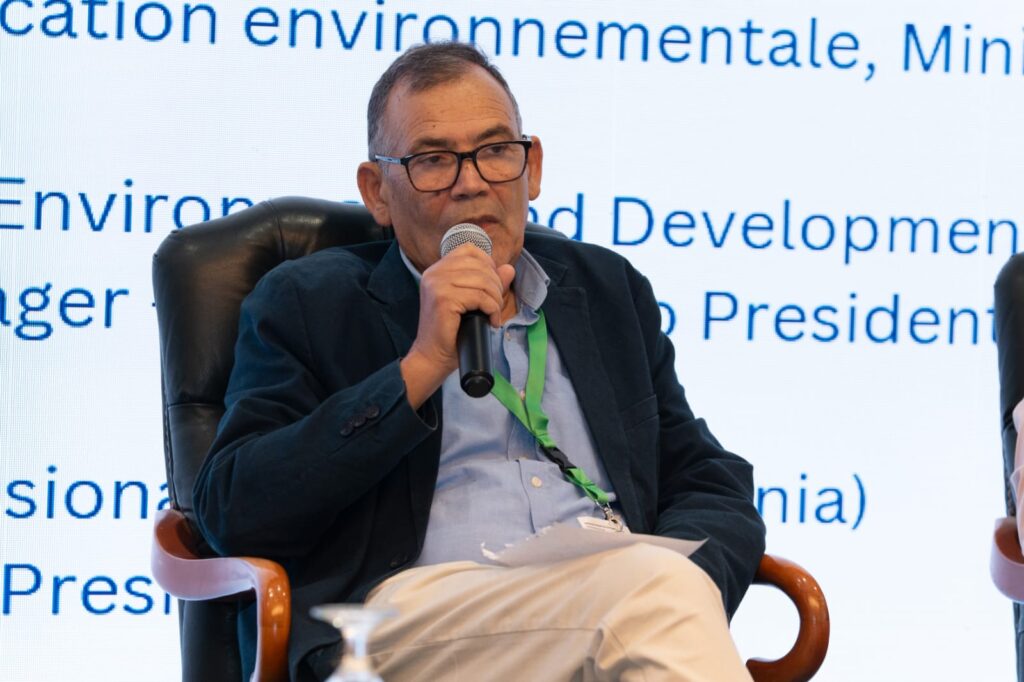
Youth Are the True Engine of the Energy Transition
Question: What prompted the Club to organize this training workshop on renewable energy?
Dr. Mohamed Ftouhi: This meeting stems from a firm conviction that the transition toward clean energy cannot succeed without investing in training and qualifying young people. Therefore, we seek to enhance their knowledge and link it to field practice so they can become active agents in spreading the culture of energy transition within their institutions and local environments.
Question: What sets the “TeraMed” initiative apart from other initiatives?
Answer: TeraMed is not limited to raising awareness; it adopts a practical approach based on discovering, mentoring, and developing local initiatives. It gives young people the opportunity to transform their ideas into real-world projects that can achieve an environmental and developmental impact within their communities.
Question: How does the “Local Champions for Renewable Energy” program contribute to achieving this goal?
Answer: The program encourages entrepreneurship and innovation, giving young people the opportunity to showcase and develop their projects according to clear criteria. It also contributes to creating a network of local leaders capable of disseminating successful experiences and exchanging expertise in the field of clean energy.
Question: Why is it important to involve students in such initiatives?
Answer: Students represent a powerful force for proposals; they possess creativity and a strong capacity to absorb modern technologies. When we provide them with spaces for training and mentorship, they transform into ambassadors for renewable energy within the university and society, which in turn enhances environmental awareness and encourages the adoption of sustainable solutions.
Question: What are the key next steps following this workshop?
Answer: We will continue to support participants in developing their initiatives, evaluate the nominated projects, and then select the most outstanding models to participate in the Local Champions program, while working on their media promotion and encouraging the replication of successful experiences.
Question: What message do you address to the youth?
Answer: My message is that the future of energy begins with an idea, and that every local initiative, no matter how simple, can turn into an inspiring model if there is strong will and collective action. Today, youth are not part of the problem; they are an essential part of the solution, and they are the ones capable of leading the transition toward a more sustainable future.
Question: Coordination among civil society organizations is one of the keys to a successful transition toward clean energy. How do you view the role of the Arab Network for Environment and Development (RAED) in enhancing cooperation and civic dialogue around the energy transition in the Arab and Mediterranean regions?
Answer: The Arab Network for Environment and Development (RAED) plays a pivotal role in building bridges of cooperation among civil society organizations, experts, academic institutions, and actors in the field of environment and sustainable development. Given the shared challenges facing the Arab and Mediterranean regions—especially in the areas of energy security and climate change—the importance of such networks becomes clear in exchanging expertise, transferring best practices, and launching joint initiatives that foster the transition toward clean energy.
Furthermore, the network serves as a platform for civic dialogue, allowing for the alignment of visions regarding environmental and energy policies, raising the voice of civil society in regional and international forums, and supporting the capacities of youth and local associations to engage in innovative projects with a developmental impact. We firmly believe that the success of the energy transition requires broad partnerships that transcend national borders, making Arab-Mediterranean cooperation a fundamental pillar for building a more sustainable and resilient future in the face of environmental and climate challenges.