By Mohammed Tafraouti
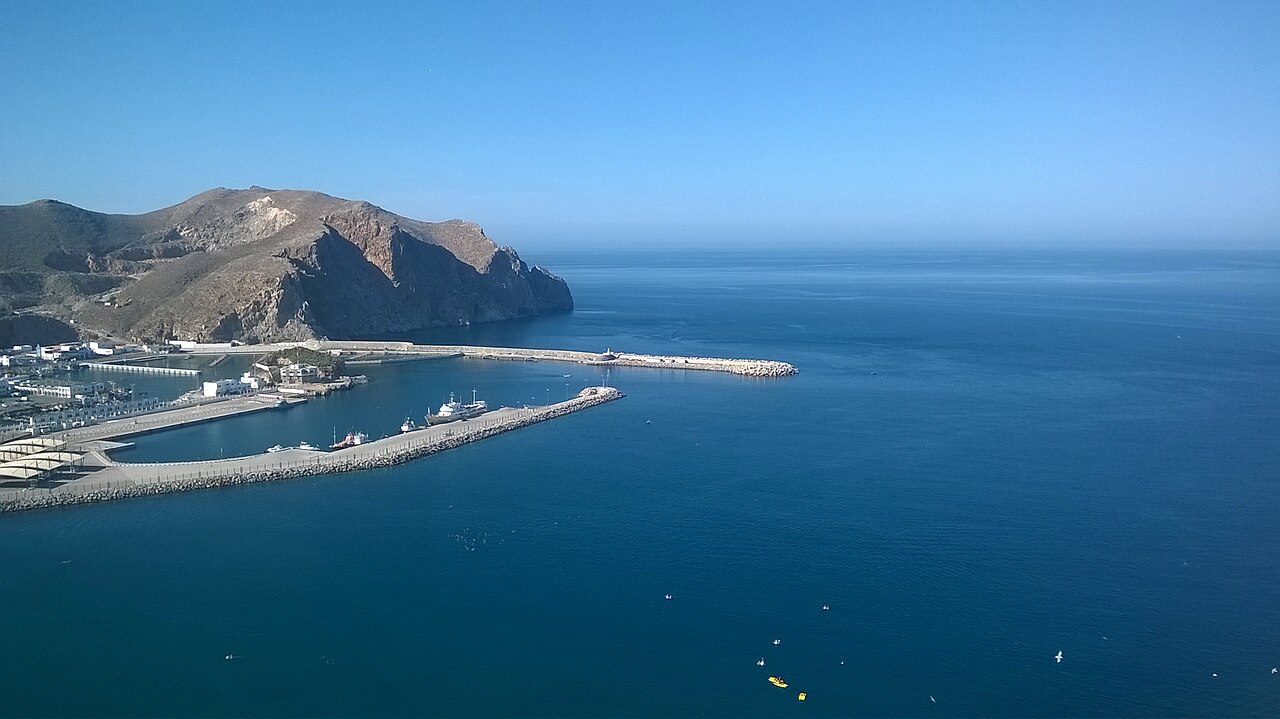
Between the blue waters of the Mediterranean and the beauty of the Rif Mountains, the port of Al Hoceima hides an invisible story, one that concerns every household and every meal we share. It is the story of microplastics, the tiny fragments left behind by our everyday plastic consumption, quietly invading marine life and, eventually, our own bodies.
A Moroccan Study Rings the Alarm
In a recent scientific study published on ScienceDirect, Moroccan researchers investigated the presence of microplastic pollution in the waters and sediments of Al Hoceima harbor in northern Morocco. The study, the first of its kind in the region, revealed a significant presence of microplastic particles, some smaller than a sesame seed, yet capable of passing through living organisms and entering the food chain. Researchers collected samples from the harbor water and seabed to identify the types, shapes, and colors of the plastics. They found that most particles were fine fibers and small fragments, originating from household and industrial waste, making the harbor a “trap” for plastics drifting in from land.
From Harbor to Table
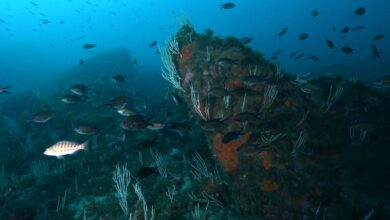
Microplastics don’t stay at sea. Fish ingest them, seabirds feed on them, and in the end, they may find their way back to us through the food we eat and the water we drink. As one local fisherman put it: “We used to think the sea cleans itself, but now it’s sick with what we throw into it.” This pollution threatens not only marine life but also human health and the coastal economy, particularly in a city that relies on fishing and eco-tourism.
A Local Problem with Global Dimensions
The findings from Al Hoceima echo results from similar studies in France and Turkey, showing that small Mediterranean ports accumulate alarming amounts of microplastic waste. This proves the issue is global, but the solutions must start locally, through responsible behavior, awareness, and stronger environmental policies.
Awareness Begins with Small Steps
Every plastic bottle tossed on a beach, every bag left in a stream, can turn into thousands of microscopic fragments that eventually return to us. Yet, there is hope: through public awareness, better waste collection and sorting, and local clean-up initiatives, Moroccan coastal cities can become models for protecting the sea from this silent pollution.
Al Hoceima’s harbor is more than a research site, it is a mirror reflecting our shared environmental reality. Every small action , a cleanup, an awareness campaign, or an environmental law, is a message to the sea that says: “We will not let the blue of our nation suffocate beneath our neglect.”