By Mohammed Tafraouti
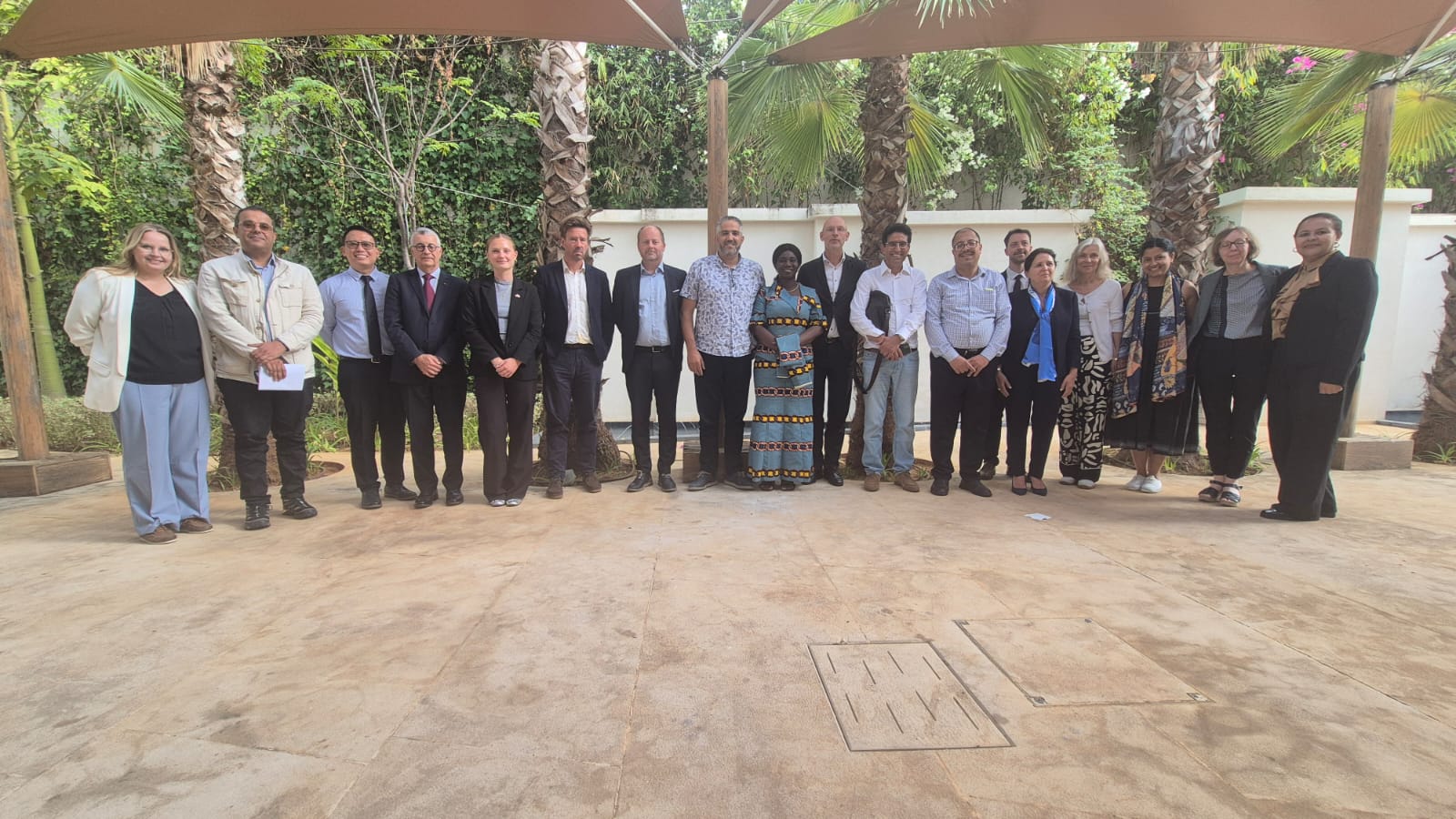
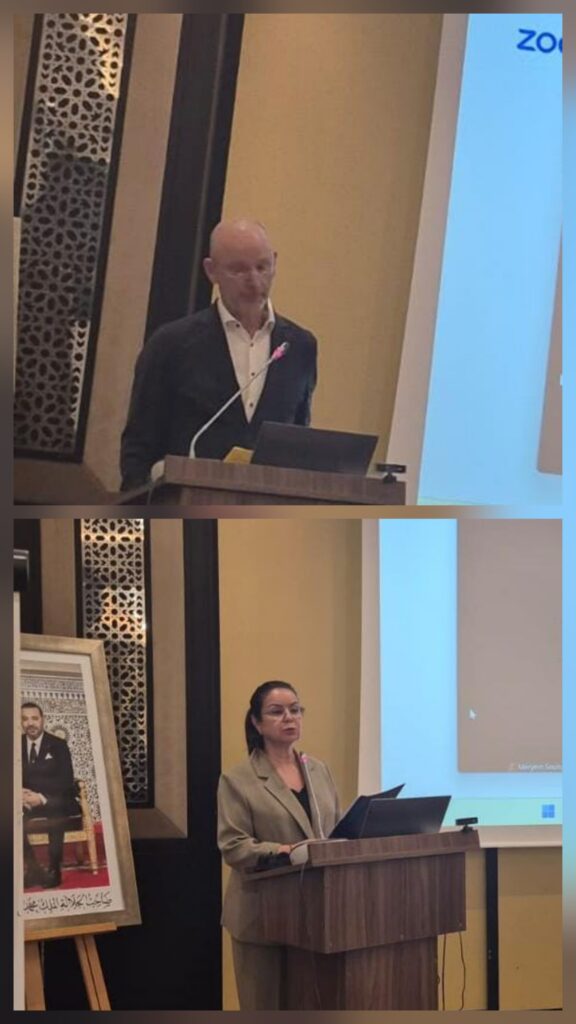
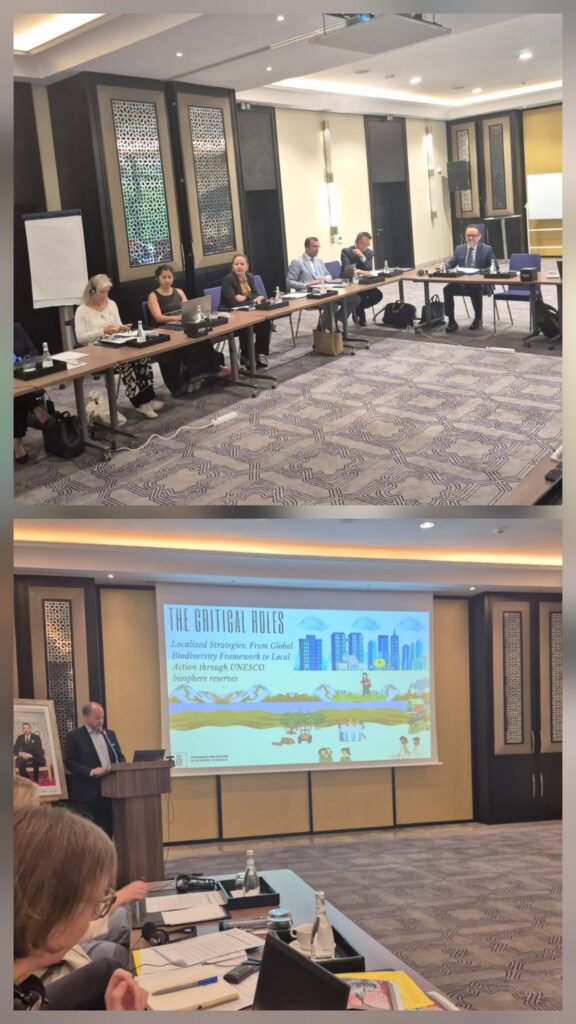
Two days ago in Rabat, a significant forum was held in a critical regional and international context, as biosphere reserves, living spaces for environmental and developmental experimentation, are facing growing challenges due to climate change, biodiversity loss, and intensifying pollution crises. What stood out in this forum, organized by Denmark in collaboration with UNESCO, was its deep exploration of the role of non-traditional actors in environmental governance, mainly scientific researchers, journalists, and digital content creators.
Key Roles in Sustainable Management
One of the main conclusions of the forum was that effective management of biosphere reserves can no longer rely solely on environmental and institutional dimensions. It now requires a knowledge–communication partnership that combines the production of scientific knowledge, the crafting of environmental messaging, and the shaping of public opinion. Researchers produce data, journalists translate it into understandable narratives, and influencers repackage it through interactive formats that connect citizens with environmental issues. However, participants noted that this integration remains limited and is often carried out through individual or ad-hoc initiatives that lack continuity and methodology.
From Isolated Efforts to Systemic Approaches
Despite some successful examples of media coverage and collaboration between scientists and journalists, most of these remain isolated personal efforts or small-scale experiments. This highlights the urgent need for a systemic approach that institutionalizes the relationship between environmental media and scientific research. Clear pathways must be established for collaboration between journalists and the UNESCO Man and the Biosphere (MAB) network, while biosphere reserve administrations should be encouraged to develop tools for effective scientific communication with both the media and the public.
Concrete Tools for Activating the Science–Media Partnership
To make this shift successful, the forum proposed several practical interventions to institutionalize cooperation between researchers and media professionals. These include producing training manuals for journalists on topics like biodiversity, climate change, and conservation concepts; integrating these issues into academic and professional journalism programs; facilitating access to desk studies and scientific reports and translating them into formats suited to media needs; using environmental monitoring and evaluation as rich sources for field-based journalistic stories; and organizing practical workshops inside reserves that bring together journalists, researchers, and influencers to build operational partnerships.
A Deeper Understanding of Biospheres: From Conservation to Community Experimentation
Forum discussions revealed that a superficial, and at times, inaccurate, understanding of biosphere reserves still persists. Many still perceive them as closed-off areas meant solely for the protection of flora and fauna, whereas the core idea is to integrate humans with nature, not separate them. Biosphere reserves aim to protect biodiversity while promoting sustainable development, encouraging local innovation in livelihoods and production, and fostering education and learning through environmental and social experimentation. This complex concept calls for building knowledge bridges between scientists and journalists to transmit this understanding to the public and transform common perceptions of reserves.
The Human Story: The Backbone of Impactful Environmental Journalism
One of the widely agreed-upon themes at the forum was the importance of starting with the human story when covering biosphere issues. How does a reserve affect local livelihoods? How does it help preserve cultural identity? How does it improve the local economy or change people’s relationship with land, water, and forests?
These questions form the heart of a new environmental narrative that goes beyond facts and figures to place humans at the center, transforming environmental concerns into social issues that foster empathy and shared responsibility. To achieve this, the forum proposed launching demonstration projects within reserves, dedicated to journalists, allowing them immersive experiences and helping them construct rich, multidimensional stories.
The Future of Environmental Media: Partnership with Influencers and Content Creators
Among the innovative ideas discussed at the forum was the call to reimagine environmental media in the digital era. Environmental storytelling is no longer confined to articles and reports, it now includes short videos, visual stories, interactive blogs, and diverse digital formats. Here, influencers and digital content creators emerged as potential allies in reaching new audiences, especially young people, through visual and narrative languages that transcend traditional journalism. Accordingly, the forum’s recommendations included expanding the “public-interest knowledge” team to include these new actors, not as competitors, but as partners.
From Crisis Journalism to Solutions Journalism
The forum strongly advocated for solutions-oriented environmental journalism as an alternative to disaster-focused coverage that can lead to despair or helplessness. Biosphere reserves don’t just provide data on threats, they also offer real-life examples of sustainable agriculture, community-based conservation practices, local renewable energy, social economies, and rural innovation. These are all narratives worth telling, capable of inspiring other communities and influencing public policy.
Organic Networks: From Centralization to Shared Collaboration
In contrast to rigid hierarchical models, participants proposed a new vision centered on organic networks, flexible collaborations without central control or domination. The core idea is to respect the uniqueness of each actor, promote complementarity over duplication, share resources, stories, and experiences, and foster knowledge and communication accumulation. In this way, relationships among journalists, researchers, and reserve managers become interactive and horizontal, producing collective knowledge and serving the public environmental good.
Toward a Strategic Bridge Between Knowledge and Impact
The UNESCO Rabat Forum represented a unique moment for redefining the positioning of various actors within the biosphere reserve ecosystem.It broke with the logic of separation between science and media, or between academia and communication, and instead advanced a logic of strategic, multi-level partnership. In this new framework, journalists are not just news transmitters, they are agents of change. Researchers are not isolated, they are engaged participants in the public sphere. Influencers today can serve as vital bridges between scientific knowledge and societal influence. Building this bridge, between scientist and journalist, between laboratory and field, between reserve and community, is what our world now urgently needs to achieve environmental governance that is sustainable, fair, and centered on both humans and nature.
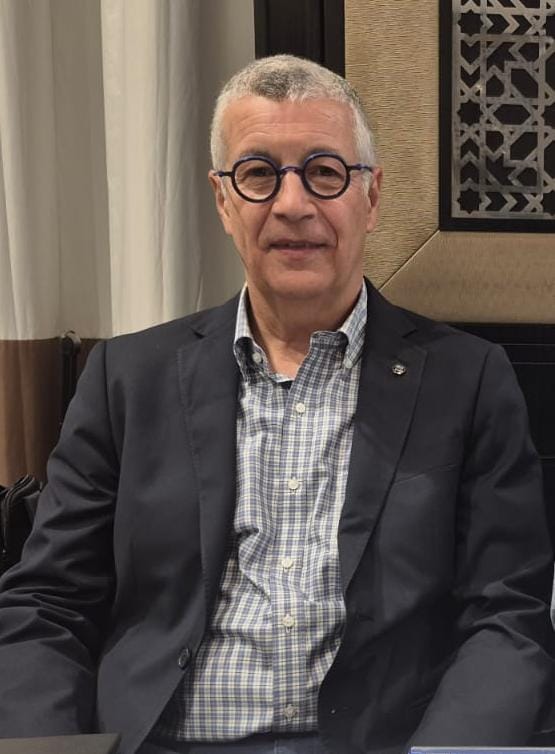
On the sidelines of the forum, we held a short interview with Mr. Antonio Abreu, Director of the Division of Ecological and Earth Sciences within UNESCO’s Natural Sciences Sector and Secretary of the Man and the Biosphere (MAB) Programme:
Question 1: How can we ensure the sustainability of collaboration among scientists, journalists, writers, and environmental influencers within UNESCO biosphere reserves to address the three planetary crises beyond this forum?
Answer: To ensure lasting collaboration, it is essential to institutionalize opportunities for dialogue, participation, and capacity building within the MAB community. This can be achieved through three main pathways. Establishing permanent platforms for knowledge exchange within and among biosphere reserves, allowing scientists and media actors to co-develop stories grounded in local realities and scientific data. Enhancing training and mentoring for journalists, writers, and influencers to raise the quality and accuracy of environmental content, while also enabling scientists to develop better communication skills. Mobilizing youth and local voices by supporting community-based storytellers and creatives to ensure environmental messages reach wide and inclusive audiences. UNESCO plays a catalytic role in linking partners, facilitating mutual learning, and scaling these initiatives globally.
Question 2: What are some of the most actionable recommendations that can be included in the upcoming MAB Strategic Action Plan (2025–2035)?
Answer: Key actionable recommendations from this multi-regional meeting include. Supporting community innovation that combines traditional knowledge with modern science to promote nature-based solutions. Recognizing scientific communication and environmental literacy as core functions within biosphere reserves, with dedicated resources allocated. Promoting South–South cooperation and triangular partnerships to transfer and adapt successful models across regions. Establishing clear mechanisms for monitoring and accountability of local partnerships and participatory platforms to ensure tangible outcomes. By aligning the global framework with local realities, the MAB Programme becomes a real driver of sustainable change.
Question 3: How capable are UNESCO field offices, particularly in Africa and the Arab region, of supporting local initiatives and strengthening multilateral cooperation?
Answer: UNESCO field offices play a vital role in translating global visions into local results. They do this by facilitating collaboration platforms that bring together local communities, governments, civil society, academia, and media. Providing technical support and capacity building to community initiatives, helping scale up successful local solutions. Leading advocacy campaigns that respect local specificities to attract national and regional investments into biosphere reserves as living laboratories for sustainable development. Thanks to stronger partnerships in Africa and the Arab region, biosphere reserves continue to stand as beacons of hope and resilience in the face of global environmental challenges.
Question 4: What are your impressions of the forum? Did it meet its expected outcomes?
Answer: I can say that this meeting was extremely fruitful. It strengthened the recognition of the importance of communication, particularly the role of media, in advancing UNESCO’s Man and the Biosphere Programme and the global biosphere reserve network as key sites for nature and biodiversity conservation, both pillars of socio-economic development and cultural identity for the communities living in these areas. Moreover, the meeting helped identify concrete solutions and pathways to enhance journalist engagement and leverage media technologies to combat misinformation related to biodiversity, climate change, and environmental issues more broadly. These solutions can be tested within biosphere reserves, given their inclusive governance and technical-scientific support from UNESCO programs.In short, we left the meeting with stronger conviction and tangible proposals to move the MAB Programme forward and support biosphere reserves in their mission to protect biodiversity and promote sustainable development.