By Mohamme TAFRAOUTI
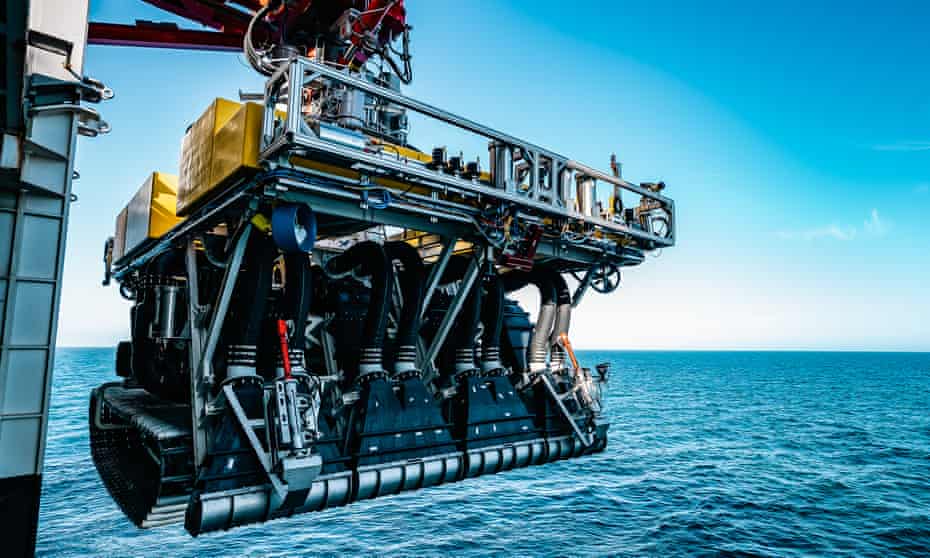
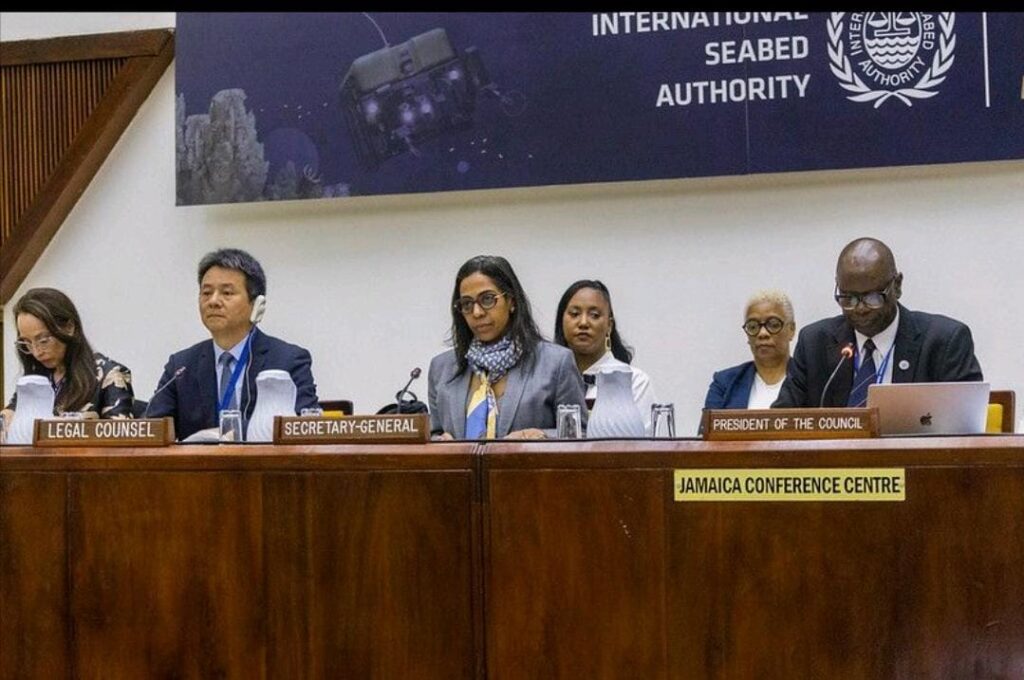
The Council of the International Seabed Authority (ISA) concluded its meeting in Kingston, Jamaica, amid rising global opposition to deep-sea mining plans. The meeting witnessed intense discussions among member states, NGOs, scientists, and representatives from indigenous peoples, who expressed concerns over the catastrophic environmental impacts of this emerging industry.
Global Rejection of Attempts to Rush Mineral Exploitation
The Metals Company (TMC) faced widespread criticism after announcing its intention to apply for deep-sea mining licenses by the second quarter of 2025, either through the U.S. Deep Seabed Hard Mineral Resources Act of 1980 or via the International Seabed Authority.
The government of “Nauru” attempted to support the company in obtaining the license in the absence of a clear legal framework regulating this industry. However, the majority of member states rejected any attempts to hasten the issuance of licenses, stressing the need for regulatory rules that protect marine ecosystems before allowing any mineral exploitation activities.
In July 2023, ISA member states decided that no commercial deep-sea mining licenses could be approved without proper regulatory frameworks, a position reaffirmed by the Council in its recent meeting.
Serious Environmental Risks
Civil society organizations and scientists warned of the grave environmental consequences of deep-sea mining, including the destruction of fragile ecosystems, as many unique marine organisms depend on the seabed, and any disturbance could lead to the extinction of undiscovered species.
Deepwater pollution: Due to metallic dust and waste potentially spreading through the water column, affecting the marine food chain. The seabed plays a role in carbon storage, and any mining activity could release significant amounts of trapped carbon dioxide, disturbing the climate balance.
Calls for a Global Moratorium
Many countries and environmental organizations have called for a temporary global moratorium on deep-sea mineral exploitation until sufficient scientific research is conducted and strict environmental policies are in place.
In this context, “Matthew Gianni,” co-founder of the Deep Sea Conservation Coalition (DSCC), stated: “We are at a critical juncture, where governments must choose between protecting our oceans for future generations or allowing uncalculated risks that could lead to irreversible damage.”
Legal advisors also indicated that imposing a moratorium is the only way to prevent companies from exploiting legal loopholes and starting unregulated extraction operations.
Future Moves
Discussions continue within the International Seabed Authority (ISA) to establish a comprehensive regulatory framework that prevents negative environmental impacts on marine ecosystems. Governments and environmental organizations are continuing their campaigns to increase international pressure to prevent the issuance of any licenses until adequate ocean protection is ensured.
Scientists are conducting further research on the effects of deep-sea mineral exploitation, which could lead to the adoption of stricter policies in the future.
This meeting reflects the growing global awareness of the potential environmental risks of deep-sea mining, with increasing pressure to halt it until marine ecosystems are safeguarded. While some companies are pushing for mineral extraction, global resistance is growing to protect the Earth’s oceans as a shared legacy of humanity.
It is worth noting that the Deep Sea Conservation Coalition (DSCC) was founded in 2004 in response to international concerns over the harmful effects of deep-sea bottom trawling.
Over 130 NGOs, fishermen’s associations, and law and policy institutes worldwide work together under the Deep Sea Coordination Committee to ensure the protection of fragile deep-sea ecosystems.
Farah Obaidullah, Ocean Advocate and Founder of “The Ocean and Us,” stated: “The high seas cover half of our planet and do not belong to one country, making them vulnerable to exploitation. They are our shared heritage, and their health is essential to our well-being. Those racing to start deep-sea mining see the current geopolitical disruptions as an opportunity to open our global ocean to this reckless industry—threatening to undermine the rule-based system and multilateralism. Allowing one country to extract resources from the high seas will lead to a race toward disaster. With increasing risks to global peace and stability, world leaders must unite now more than ever to ensure a ban on deep-sea mining.”
The Position of African Nations in Discussions About Marine Resource Exploitation
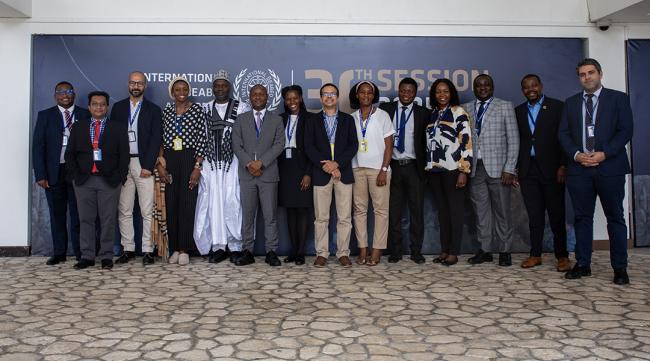
It appears that African nations, despite their extensive coastlines and growing interest in the blue economy, are not strongly represented in these discussions. This reflects the broader problem of developing countries – particularly African ones – being sidelined in critical environmental and economic decision-making processes, even as their ecosystems and economies are directly affected.
We know that 33 European countries – including France and Germany – along with Canada and several Latin American nations, have called for a moratorium or temporary ban on deep-sea mining. Yet the absence of strong African representation raises questions about this exclusion from the moratorium initiative.
It’s also noteworthy that African countries, despite being organized into various regional and international bodies, struggle to present a unified voice on these issues.
This lack of coordination diminishes their negotiating power and prevents their interests from being effectively considered. While the African continent is rich in natural resources and boasts vast coastal territories, its influence in ocean governance decisions remains limited.
The question of this absence remains: Is it due to African nations’ disinterest in the subject, or rather to limited diplomatic capacity and declining influence vis-à-vis major economic powers? In any case, this situation highlights the urgent need for Africa to strengthen regional coordination and assert its position in international marine resource management