By Mohammed Tafraouti
Documentary films offer viewers a unique perspective on the underwater world. Through visual imagery, narration, and scientific facts, these films can inspire audiences, raise awareness about marine environmental protection, and highlight the importance of the sustainable use of ocean resources.
Several films have addressed the issue of mineral exploitation in the deep sea and its impact on the marine environment. Among them is Deep Rising (2023), directed by Matthew Richter, which sheds light on the environmental risks associated with mining minerals from the ocean depths. The film explores the global race for rare minerals such as cobalt and nickel, which are used in battery production and modern technologies. These rare earth minerals extracted from the seabed of the deep ocean are an emerging battleground between demand for these resources for the green transition and the environmental risks threatening unique marine ecosystems. This reality foreshadows a potential environmental catastrophe in the world’s oceans.
Lessons from the Past
The international community still remembers the explosion of the Deepwater Horizon oil platform on April 20, 2010—one of the largest ecological disasters in the history of the oil industry. The accident resulted in nearly 4.9 million barrels of oil into the Gulf of Mexico over 87 consecutive days, causing severe environmental, economic, and social damage.
The spill led to large-scale pollution and the death of numerous marine creatures, including fish, turtles, and birds. Coastal ecosystems were also affected by the accumulation of oil on beaches and in marshes, destroying the natural habitats of coral reefs and marine life. This catastrophe marked a turning point in environmental safety policies, leading to stricter regulations to prevent similar incidents in the future.
A New Rush into the Ocean Depths
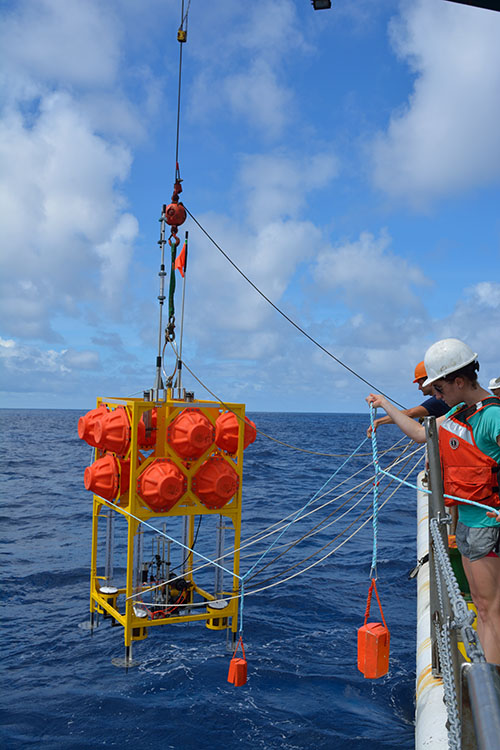
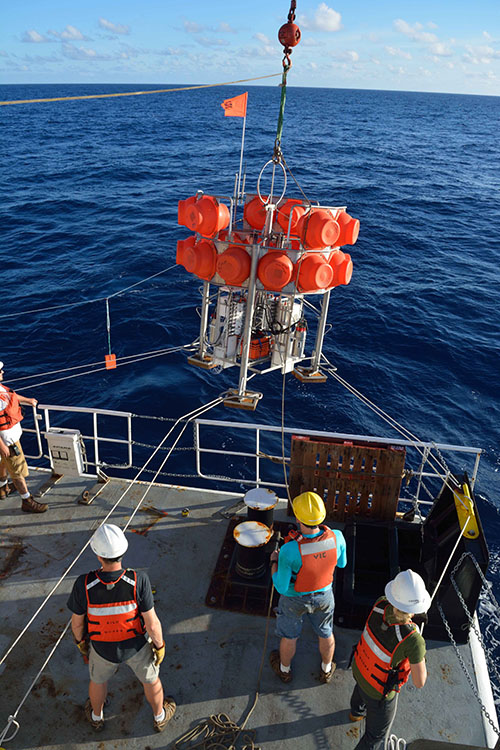
In the near future, defying nature and the silence of the deep sea, massive ships venture into the ocean in search of valuable resources, having exhausted those on land. The deep seabed has become a potential refuge to satisfy the growing demand for rare earth minerals such as copper, lithium, cobalt, and nickel. The oceans still hide treasures for major global powers seeking to secure the resources needed for their industries and advanced technologies.
However, this new potential marine reality echoes past mistakes made on land, where mountain peaks were levelled, soils were excavated, and resources were exploited without regard for ecological balance. Today, as international institutions search for solutions to adapt to climate change and mitigate desertification and floods, the same destructive pattern is being repeated in the depths of the ocean—posing a serious threat with uncertain consequences.
Plundering the Oceans: Between Greed and Irresponsibility
Human and industrial greed has extended to the depths of the seas, seeking new natural resources after depleting those on land like a ravenous beast. The hunger for marine spaces—places that do not belong to humanity but serve as homes for marine creatures providing invaluable ecological services—has led to reckless exploitation.
Industrial expansion has reached into the seabed of the abyssal ocean, indifferent to the immense cultural and ecological heritage it harbours. The oceans are not just reservoirs of minerals; they also contain historical sites, such as ancient shipwrecks and submerged civilizations lost to earthquakes and environmental changes. The unregulated exploration of the ocean floor is akin to vandalizing historical monuments that should be preserved—an alarming violation of marine life’s right to exist without exploitation.
A Message from the Past to the Present
The history of humanity has recorded the consequences of ignoring sustainability since the beginning of the Industrial Revolution, along with the resulting environmental and climatic effects that humanity still suffers from today. We are now trying to reduce greenhouse gas emissions and limit the rise in temperature to less than two degrees Celsius compared to pre-industrial levels, while aiming to restrict the increase to 1.5 degrees Celsius.
Today, as we live in the era of digital growth, we must integrate the lessons from the past and work towards respecting our natural environment, rather than turning our attention depleting the mineral resources of the seabed, the last untouched frontier left on earth. As history has shown, repeating the same mistakes will lead to catastrophic consequences for our shared underwater cultural heritage.No one has the right to monopolize the exploitation of this common heritage of humanity.
Marine Mineral Exploration in Africa: Between Economic Opportunities and Environmental Challenges
Marine mineral exploration in Africa offers both economic opportunities as well as major challenges, notably legal heterogeneity and the weakness of environmental law enforcement. As such, adopting a uniform regional legal strategy on deep sea mining has become an urgent requirement, as well strengthening regulatory frameworks and enhancing environmental safeguards. This in turn would assure an equitable and sustainable approach.
Legal and Regulatory Framework
In this context, Ms. Aishat Bola Oniye, a legal activist and energy and infrastructure lawyer from Nigeria, told *Maroc Environnement* that deep sea mining activities in Africa are governed by international, regional, and national legal frameworks.

She explained that the United Nations Convention on the Law of the Sea (UNCLOS) defines legal jurisdiction over marine resources, including exclusive economic zones (EEZs) and rights over the continental shelf. The International Seabed Authority (ISA) regulates exploration and exploitation activities for minerals outside national jurisdictions. On a continental level, the African Mining Vision (AMV) adopts a strategy to strengthen responsible resource management and achieve sustainable development on land.
At the national level, each African country has its own regulatory framework for mining, but the development of these laws varies from country to country. While some countries have established laws, others are still in the process of developing their legislative structures, creating regulatory inconsistencies that hinder planning and the attraction of investments.
Environmental Challenges and Compliance Requirements
Ms. Aishat Bola Oniye specified that several African countries impose environmental impact assessments on marine projects, but the implementation of these assessments still faces difficulties. In the absence of effective monitoring, marine mineral exploitation could cause significant damage to marine ecosystems. Therefore, it is crucial to strengthen the enforcement of environmental policies and regional cooperation to protect the marine environment.
Bola Oniye added that some African countries impose local requirements to enhance the participation of local businesses in exploration activities and that while these policies contribute to increasing economic benefits, overly strict measures can discourage foreign investors. According to Bola Oniye, adopting a balanced approach combining foreign expertise and local development would be more effective in achieving sustainable development
Importance of Mineral Resources for the African Economy
Minerals play a crucial role in Africa’s economy, where nearly every country possesses varied mineral resources, including gold, diamonds, copper, cobalt, oil, gas, uranium, and rare minerals. These resources contribute to driving economic growth, creating jobs, and increasing government revenues.
For example, Nigeria relies heavily on oil and gas, which make up a significant portion of its national income, reflecting the importance of natural resources in African economies, despite the growing recognition of the need to diversify revenue sources.
Mineral-Rich Areas in the Deep Sea
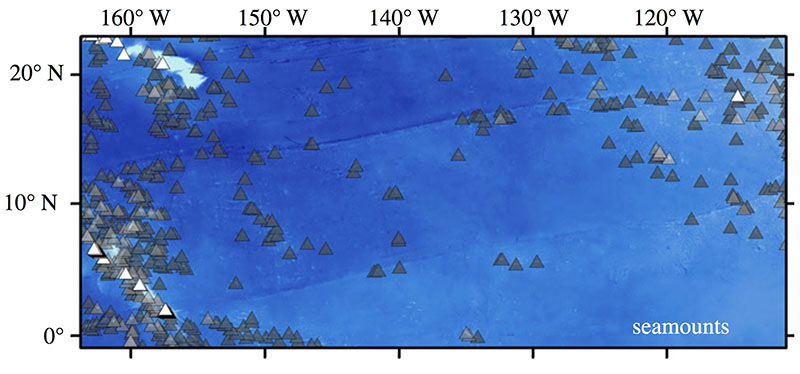
The International Seabed Authority (ISA) is the main entity responsible for regulating exploration activities in international zones to ensure governance and protection for future generations. Among the most mineral-rich areas is the Clarion-Clipperton Zone (CCZ) in the Pacific Ocean, located between Hawaii and Mexico. It is renowned for its wealth of polymetallic nodules containing nickel, copper, cobalt, and rare earth elements, making it a key destination for exploration activities conducted by international companies under ISA supervision.
In the Indian Ocean, significant amounts of minerals are found near hydrothermal vents, where deposits rich in copper, zinc, and other minerals are concentrated. Interest in this region is growing due to its economic potential, especially with technological advances in marine mineral extraction.
The Atlantic Ocean also represents another mineral-rich environment, particularly in the regions of the ocean ridges, which host hydrothermal systems releasing large amounts of rare earth minerals. This mineral diversity has led many companies to explore the possibility of extracting these resources from the ocean’s depths.
At the bottom of Antarctica, huge reserves of hydrocarbons and rare minerals exist, but their exploitation is subject to strict legal restrictions. Under the Antarctic Treaty, mining in this region is prohibited for non-scientific purposes until at least 2048, but the region remains of great interest for the future due to its potential for mineral and oil extraction.
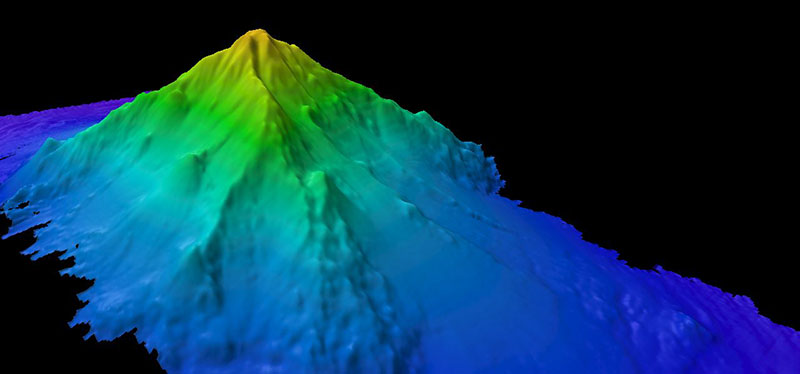
Exploration of these resources is still in its early stages, but it holds great prospects for the industry. However, extracting these minerals could cause significant disruptions to fragile marine ecosystems. The destruction of marine habitats, the release of toxic sediments, and the alteration of underwater biodiversity are the main risks associated with this activity.
Experts agree that marine mineral exploitation requires rigorous management and strong regulations to avoid irreversible damage to the marine environment, while others, including 32 countries are calling for a moratorium . One of the biggest challenges faced by stakeholders is finding a balance between economic exploitation and the preservation of marine biodiversity.
While deep sea mining may offer new economic prospects for developing countries, it needs to be carried out with great caution. Adhering to environmental standards and strengthening international cooperation are crucial to reducing the risks associated with this activity.
With its immense mineral resources, Africa can play a key role in this development, but this must not come at the expense of the unique and irreplaceable marine environment.
There are still legal and environmental obstacles hindering the development of this sector, necessitating the adoption of a uniform legal approach. Strengthening marine environmental protection and ensuring a balance between foreign investments and local development represents the best path for the sustainable exploitation of marine resources on the continent.