The Park Is Not — and Cannot Be — the Problem… But Rather the Logic of Withdrawal
Message Regarding the Deferred Development of Arganeraie Territories
Mr. Head of Government,
With my highest regards,
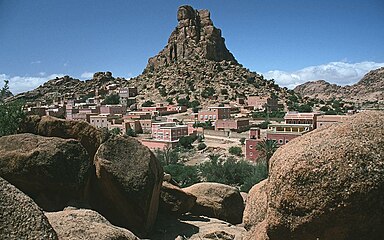
I address you today from the depths of the Anti-Atlas — not solely because of the controversy surrounding the proposed Western Anti-Atlas Natural Park, but more significantly because this project has become a symbol of a much deeper discomfort: the automatic abandonment of any development initiative as soon as opposition arises — instead of transforming these moments of refusal into opportunities for dialogue and consensus-building.
Indeed, the latest issue of the Official Bulletin announced eight decrees, signed by Mr. Ahmed El Bouari, Minister of Agriculture, Maritime Fisheries, Rural Development, and Water and Forests, establishing six natural parks and two nature reserves across several provinces of the Kingdom.
What raises concern, however, is the absence of any mention of the Anti-Atlas Natural Park, located in the provinces of Chtouka and Tiznit — despite it having undergone a public inquiry process since late December 2023.
This omission appears to signal a straightforward withdrawal of the project, following objections expressed locally by some residents and elected officials.
- The Park Is a Symptom, Not an Isolated Crisis
This project should never have become a crisis. It should have been approached as an opportunity to restore trust, address the chronic issue of land tenure, and establish equitable environmental development at the heart of the arganeraie region.
Instead, we witness the repetition of a familiar scenario: every instance of local resistance leads to retreat — without any real effort to initiate institutional dialogue, investigate the root causes of concern, or adapt the project in a “win-win” spirit.
- The “Akal” Land Status Is the Root of the Problem, Not the Park Itself
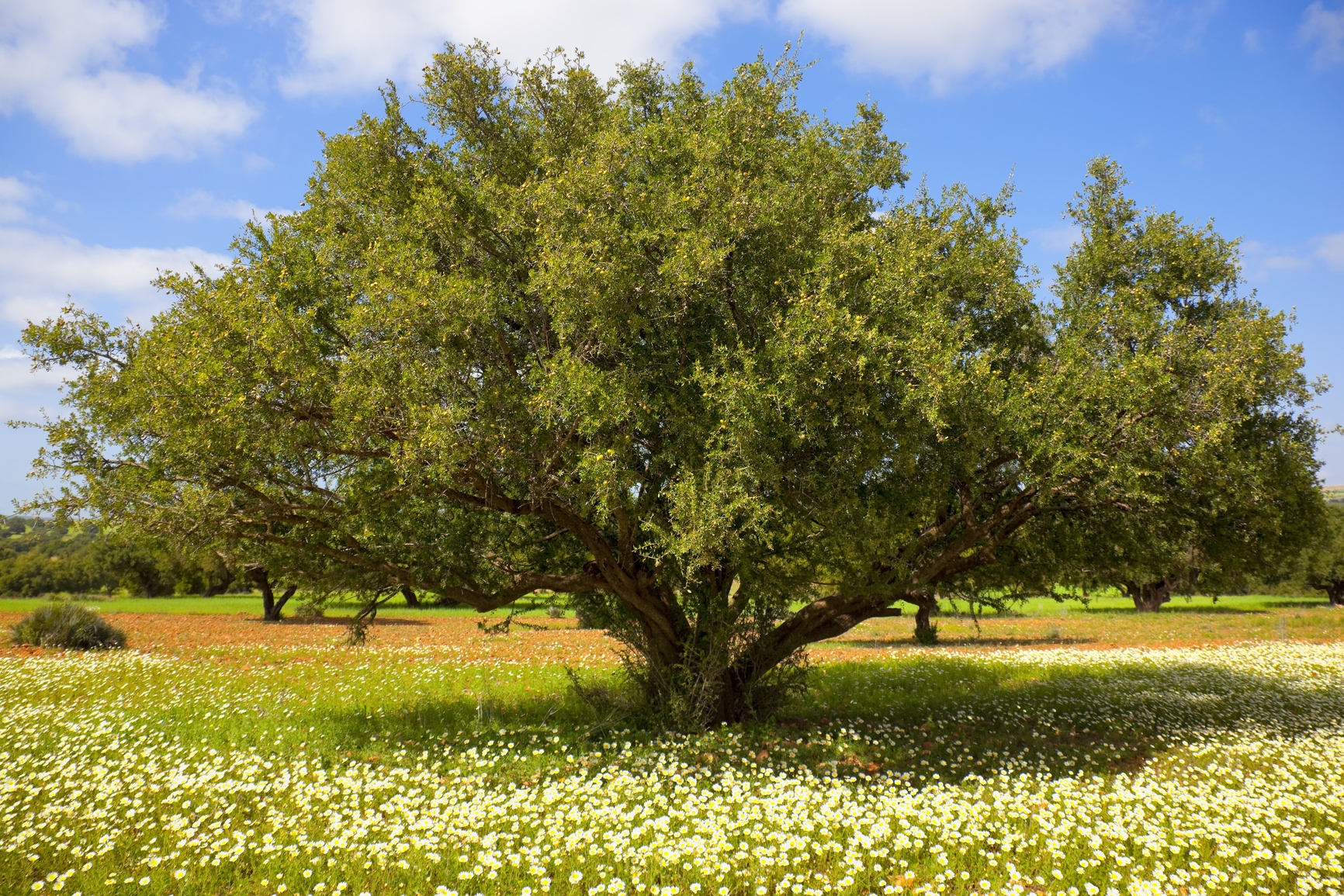
The issue lies not in the nature of the park project itself, but in the uncertain, fragile, and complex context of land tenure. Residents have lived for centuries on untitled lands, which they manage based on local customs and a well-organized, unique customary land use system.
Their rights, therefore, cannot be reduced to formal documentation alone, but must also recognize customary rights and rely on the historical continuity of land use. Some dahirs (royal decrees) dating back to 1925 had already recognized the specific character of the arganeraie territory compared to other forested areas.
- What Is Needed Is Courage to Confront, Not the Comfort of Retreat
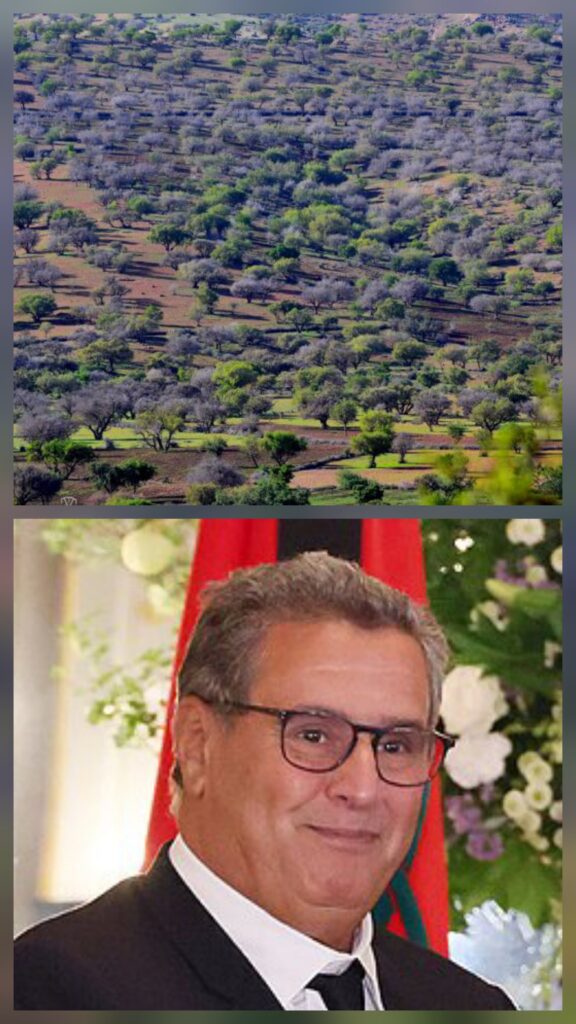
Mr. Head of Government,
Responsibility is not measured by the number of announced projects, but by the ability to face crises, build bridges with local populations, dispel doubts, ensure legal protection, and invent inclusive solutions.
We now stand at a crossroads:
Either we continue a policy of retreat in the face of every refusal — without questioning the deeper causes — or we initiate a bold new development policy based on dialogue, land regularization, and the recognition of local practices and history as levers for environmental justice.
As a native son of this region, you are intimately familiar with these realities.
What the Arganeraie Territory Truly Needs:
A comprehensive land regularization and registration initiative in the Anti-Atlas, free of charge for all local villages (douars);
The recognition of land ownership rights based on custom and history;
A specific legal framework governing argan tree areas, distinct from the classic forest regime;
A transparent dialogue with residents, civil society, and elected officials;
A revival of development projects based on fair contracts — not imposed top-down decisions.
- Development Without Trust Is an Illusion
We cannot build trust if every ambitious project is abandoned at the first sign of protest.
Nor can silence be mistaken for political victory.
Managing disagreement, engaging in dialogue, and co-creating solutions with the population — this is the true foundation of an environmentally just and sustainable policy.
Despite marginalization, the people of the Anti-Atlas have demonstrated their ecological awareness and their willingness to contribute — provided they are treated as partners and rights-holders, not as threats.
The park was never a threat. It was — and still can be — an opportunity, if approached with dialogue instead of suspicion.
Thus, the park’s absence from the recent decrees is not a mere technical omission — it is a troubling signal: one of deepened mistrust, disregarded local creativity, and heightened insecurity in regions yearning for dignity and development.
Let us therefore, Mr. Head of Government, build a new model of governance for so-called “marginalized” territories — even if it requires effort and time — based on recognition, dialogue, and justice.
Before we all lose — the environment, the opportunities… and the hope.
Please accept, Mr. Head of Government, the assurances of my highest consideration.
Mohammed Tafraouti
Environmental Activist
Agadir, June 28, 2025