by MOHAMMED TAFRAOUTI
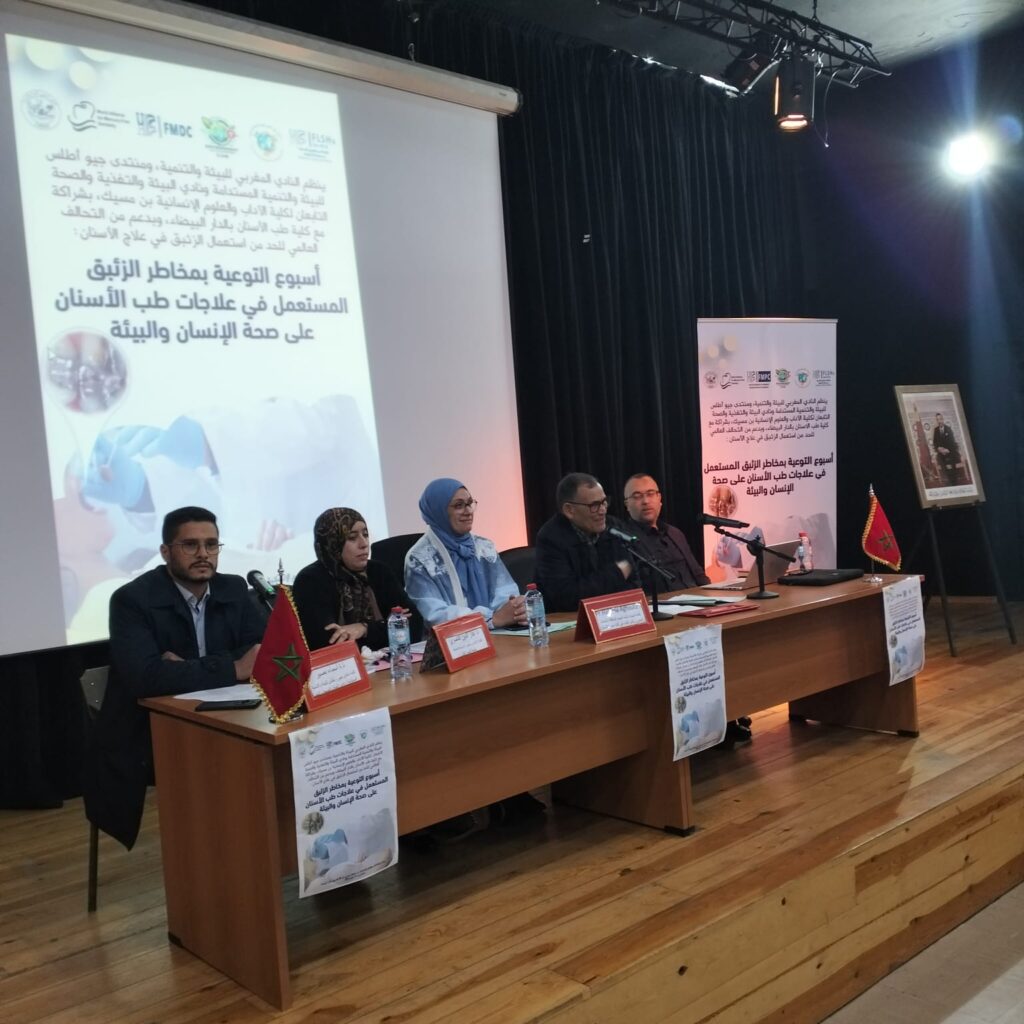
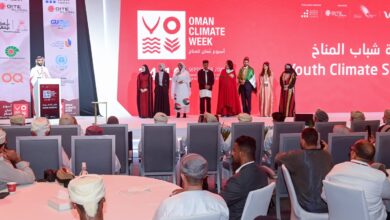
The Moroccan Environmental and Development Club (CMED), in partnership with the Geo-Atlas Forum for the Environment and Sustainable Development, the Environmental, Nutrition, and Health Club of the Faculty of Arts and Humanities Ben M’Sik, the Faculty of Dentistry at Hassan II University, and with support from the world Alliance for Mercury – Free Dentistry, organized a week-long awareness campaign last week.
This campaign falls under the awareness-raising efforts about the dangers of mercury, highlighting the negative impacts of its various uses, increasing public awareness, and supporting the transition to safe and sustainable alternatives, contributing to the protection of public health and the environment.
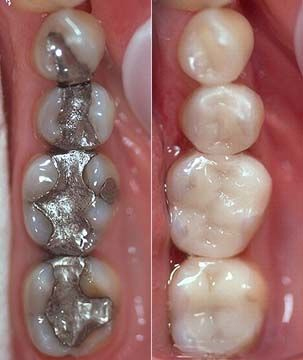
The awareness campaign provided a valuable opportunity to present various knowledge ideas and engage in scientific discussions on the topic of mercury, its uses, and the environmental and health damages, such as its use in dental treatments. It also focused on promoting safer alternatives to harmful uses of mercury and raising awareness of its risks to health and the environment, particularly concerning the health of pregnant women, breastfeeding mothers, and children.
Participants discussed and analyzed the risks of using mercury fillings in dental treatments, focusing on the effects on children’s health, infants, breastfeeding women, as well as healthcare providers such as doctors, nurses, and other professionals. It also highlighted the harmful environmental impacts, such as contamination of water, soil, and ecosystems, which negatively affect human health and food security.
The campaign encouraged dental professionals to use safe alternatives and also included awareness-raising sessions for students, faculty members, community activists, and health professionals on the importance of reducing mercury use in medical treatments, advocating for health policies that reduce mercury pollution. The sessions promoted cooperation among various stakeholders to reduce mercury use, especially in dental treatments.
The campaign culminated in an agreement to draft an advocacy memo to be submitted to some parliamentary groups, aiming to move from the signing phase to ratifying the Minamata Convention in Morocco.
Professor Mohamed Ftouhi, President of the Moroccan Environmental and Development Club and Research Professor at Mohammed V University in Rabat, outlined the context, goals, and importance of organizing the campaign to reduce mercury use in health-related purposes. He emphasized the importance of raising awareness of its health risks, particularly its use in dentistry, and discussed the national and international efforts to limit the use of this toxic metal, highlighting the need to activate the Minamata Convention in Morocco and introduce safe alternatives in health practices.
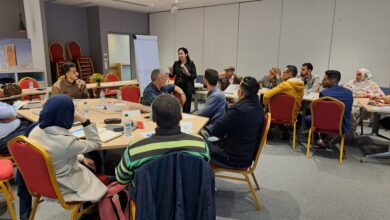
The awareness sessions featured various activities explaining and analyzing the pollution caused by mercury and its environmental impact, such as seminars and roundtable discussions on the issue and potential solutions. A seminar with civil society associations and elected officials discussed the campaign’s goals and the role of stakeholders in raising awareness about the dangers of mercury dental fillings. A documentary titled “Dental Fillings and Poisoning” was shown, which received strong reactions from the participants who discussed its content and the related dangers of mercury use on human health, particularly on dental health.
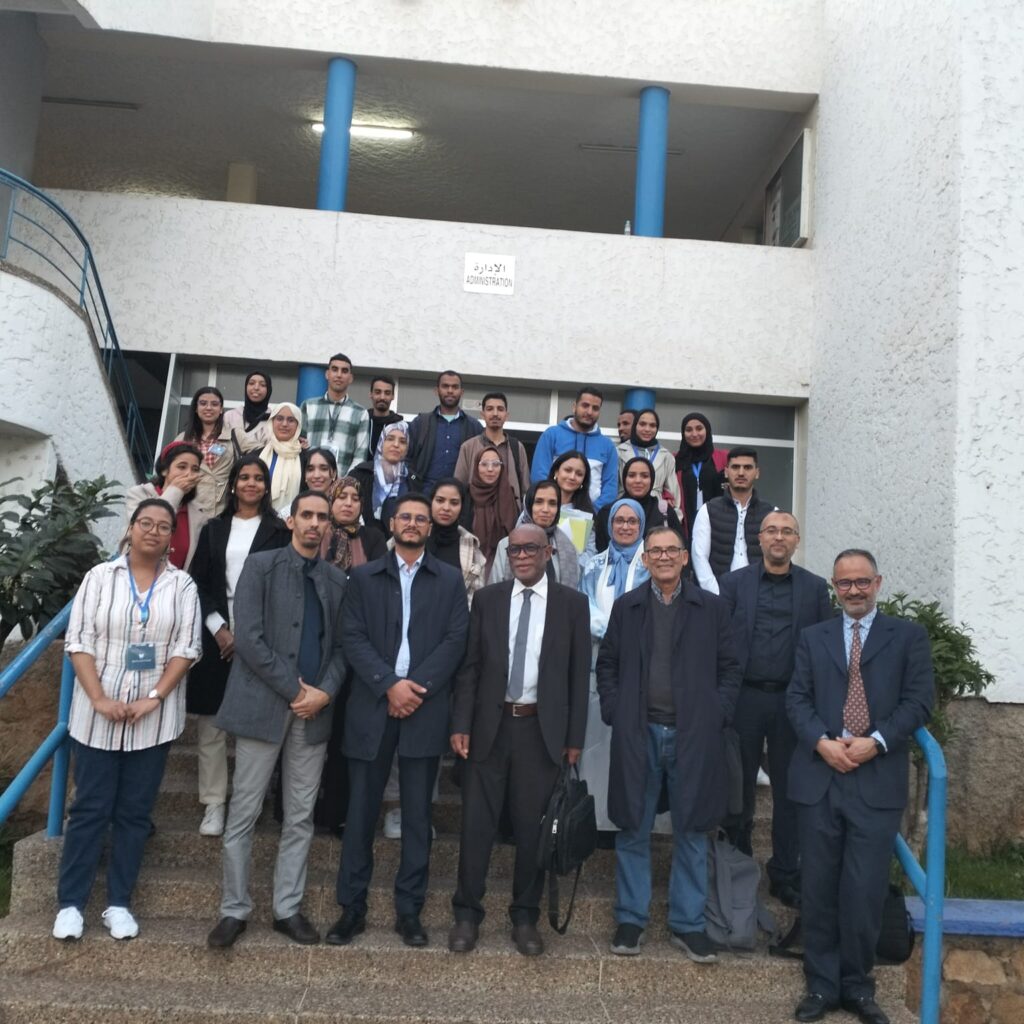
Mercury is a heavy toxic metal used in several fields, most notably in dentistry through silver fillings (amalgam). Despite its effectiveness, exposure to mercury can cause serious health damage, including impacts on the nervous and respiratory systems, in addition to its environmental effects when it leaks into soil and water. To address these risks, the United Nations adopted the Minamata Convention on Mercury in 2013, aiming to reduce its harmful uses.
It is worth noting that Morocco signed the convention as part of its commitment to international environmental and health efforts, but it has not yet ratified the Minamata Convention on Mercury. This international treaty aims to protect human health and the environment from mercury emissions, compounds, and human-made releases. However, mercury use in dental amalgam is limited according to available information.
The Minamata Convention was the result of three years of meetings and negotiations, and the treaty text was agreed upon by representatives of nearly 140 countries on January 19, 2013, in Geneva, and was adopted and signed later on October 10 of the same year at a diplomatic conference held in Kumamoto, Japan.