Mohammed TAFRAOUTI
The red palm weevil (RPW) is a devastating pest that threatens date palm cultivation, ecosystems, and the livelihoods of oasis and rural communities across 49 countries. The launch of the International Coalition for the Combat of the Red Palm Weevil (C4RPWC) represents a bold scientific response to this global challenge. This coalition is led by the United Arab Emirates and the Gates Foundation and is implemented by the International Center for Agricultural Research in the Dry Areas (ICARDA) under the CGIAR system, in collaboration with the Khalifa International Award for Date Palm and Agricultural Innovation (KIADPAI), the UAE’s Ministry of Climate Change and Environment, the Food and Agriculture Organization of the United Nations (FAO), the International Center for Biosaline Agriculture (ICBA), the Abu Dhabi Agriculture and Food Safety Authority (ADAFSA), and the United Arab Emirates University (UAEU). The coalition brings together research institutions, policymakers, and development partners under a coordinated and integrated strategy.
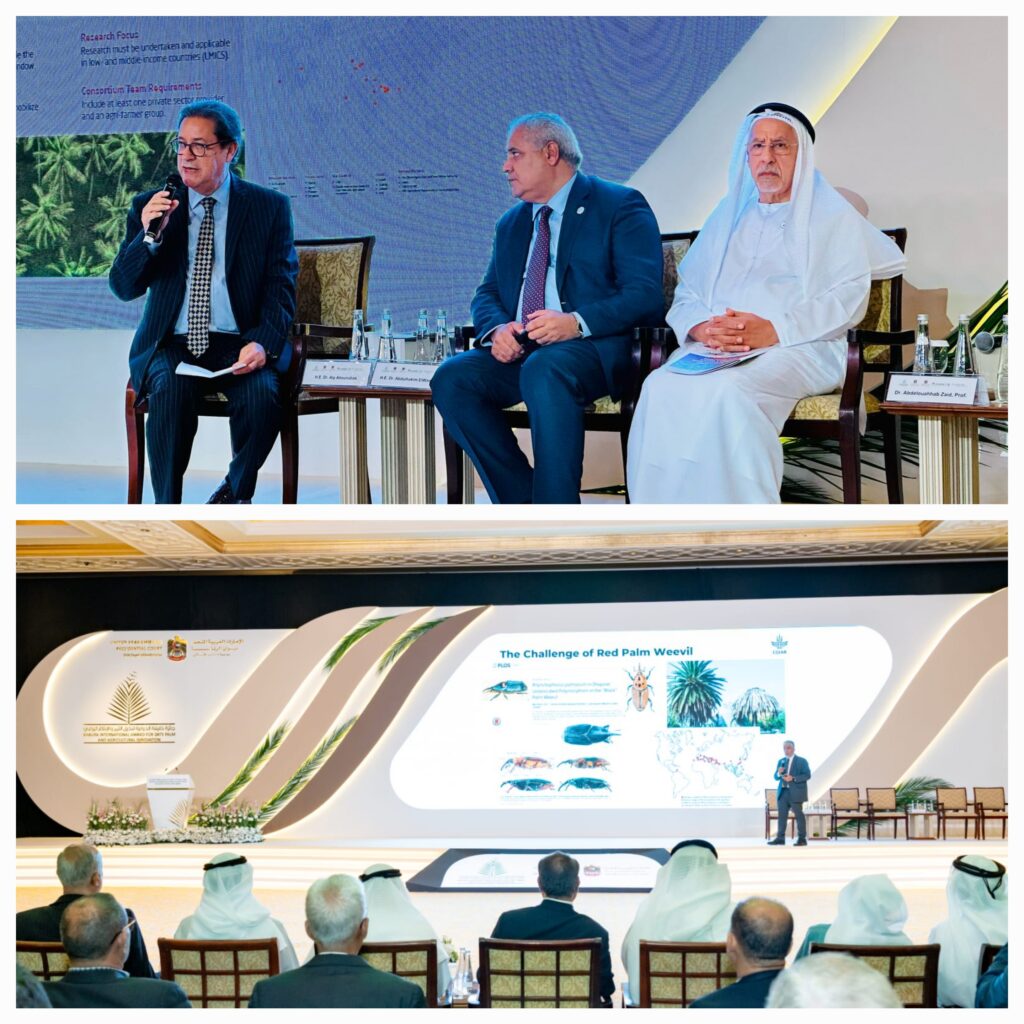
A high-level session marked the official public launch of the coalition, paving the way for a promising future in combating this pest through an integrated approach that merges science, policy, innovation, and practical application. The session featured insights from UAE leadership, the Gates Foundation, and the scientific community through two panels that highlighted the global importance and local readiness for this transformative initiative.
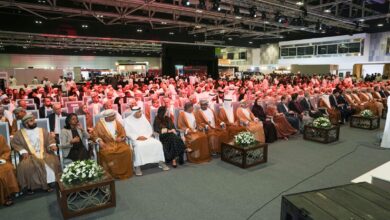
On Wednesday, April 16, 2024, the Emirates Palace Hotel in Abu Dhabi hosted a distinguished gathering of experts and researchers for the launch of this initiative, as part of international efforts to confront a serious environmental and agricultural threat. The event was led by the UAE in partnership with the Gates Foundation, which contributed to shaping the future vision of the combat strategy, while ICARDA, operating under CGIAR, oversaw the initiative’s implementation in coordination with key partners. The importance of unifying research, policy, and development efforts was emphasized throughout.
The session opened with welcoming remarks by Corina Wilner, Project Development Director, followed by opening statements from Ms. Fatima Al Mulla from the Office of International Affairs at the UAE Presidential Office. Representatives from the Gates Foundation also shared strategic perspectives on the initiative in the context of agricultural challenges and food security.
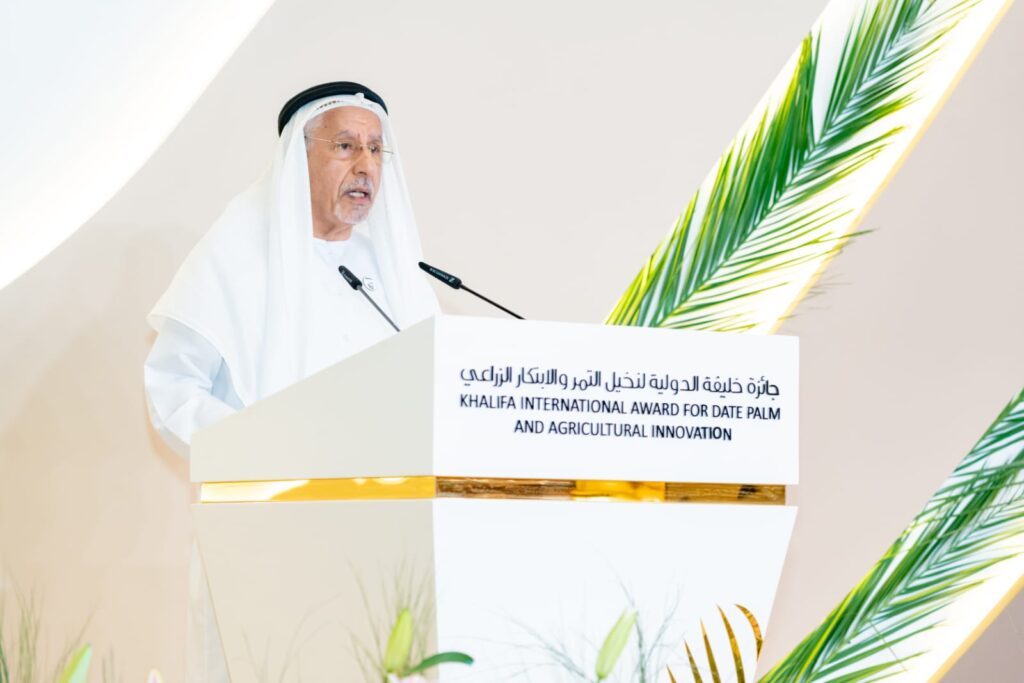
In his keynote address, Dr. Abdelouahhab Zaid stressed the need to integrate scientific research with practical application, highlighting the crucial role of innovation in tackling the pest through solutions that combine technology and national policies.
The event featured a scientific presentation by Dr. Augusto Becerra, Chief Scientist at ICARDA, on the latest technologies in pest management. This was followed by two panel discussions: the first addressed the history and complexity of the pest, while the second explored the future of combat efforts from a scientific standpoint, focusing on environmental and digital technologies to strengthen early detection and sustainable response capabilities.
Dr. Leena Tripathi from the International Institute of Tropical Agriculture highlighted the potential of tools such as RNAi and CRISPR for precisely targeting the pest’s biological functions, alongside microbiome interventions to reduce pesticide dependency and protect the environment. The initiative also includes biopesticides, sterile insect techniques, and genetic editing of date palms, supported by a detailed microbiome mapping.
These innovations are being gradually implemented—from greenhouse trials to field applications—through a coordinated series of actions that lay the foundation for a secure and sustainable agricultural model, as demonstrated by successful experiments in Abu Dhabi.
Digital innovation also emerged as a central element, with artificial intelligence and machine learning being used to analyze vital data and develop an integrated digital system that combines detection, alerts, and action—enhancing agricultural services and response effectiveness.
As part of integrated pest management, preventive practices were adopted, combining biological, mechanical, and agricultural methods centered on early diagnosis, regular pruning, removal of infested trees, and irrigation management, all aimed at ensuring the sustainability of palm trees.
Combating this pest requires comprehensive international coordination and the involvement of small-scale farmers through field trials and citizen science approaches. This strengthens local monitoring of the pest and ensures the durability of implemented solutions.
Closing remarks delivered a collective call to expand the initiative and enhance international cooperation, reaffirming that addressing the red palm weevil requires strategic, multi-level partnerships linking research, innovation, and effective policies.
Abu Dhabi Declaration on Red Palm Weevil Management (2019–2024)
International efforts to combat the red palm weevil began with the First Abu Dhabi Declaration issued on March 9, 2019, during a ministerial donor meeting. Participants emphasized the cultural, religious, and social significance of the date palm and expressed concern over the pest’s threat, renewing their support for the FAO-led regional eradication program.
On February 26, 2024, the second ministerial meeting took place in Abu Dhabi, where participants reviewed performance and discussed ways to enhance implementation of the framework strategy. They commended the generous support from donor countries and emphasized the importance of applied research and plant health.
Efforts continued through the end of 2024 to evaluate the outcomes of the first phase, laying the groundwork for a new five-year phase with additional funding. The date palm—rich in historical and spiritual symbolism—remains at the heart of these international efforts as a symbol of nourishment and stability in the face of environmental challenges.