By: Mohammed TAFRAOUTI
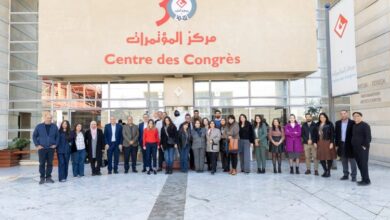
From April 22 to 25, 2025, the city of Marrakech hosted the second meeting of the “Climate-Adapted Gardens” project, with the participation of experts from Morocco, Canada, Benin, and Germany. The participants discussed ways to adapt agriculture to climate change, highlighting the importance of local cooperatives and sustainable ecological models.
The meeting included the presentation of field experiences from Azilal, focusing on the use of non-wood forest resources, especially medicinal and aromatic plants, and the role of cooperatives in enhancing livelihoods. A study was also presented on the capacity of forests to absorb carbon and achieve carbon neutrality by 2050.
The experts recommended strengthening scientific research, supporting local initiatives, and developing strategies that integrate agricultural development with environmental protection, while emphasizing the importance of knowledge exchange between Global North and South.
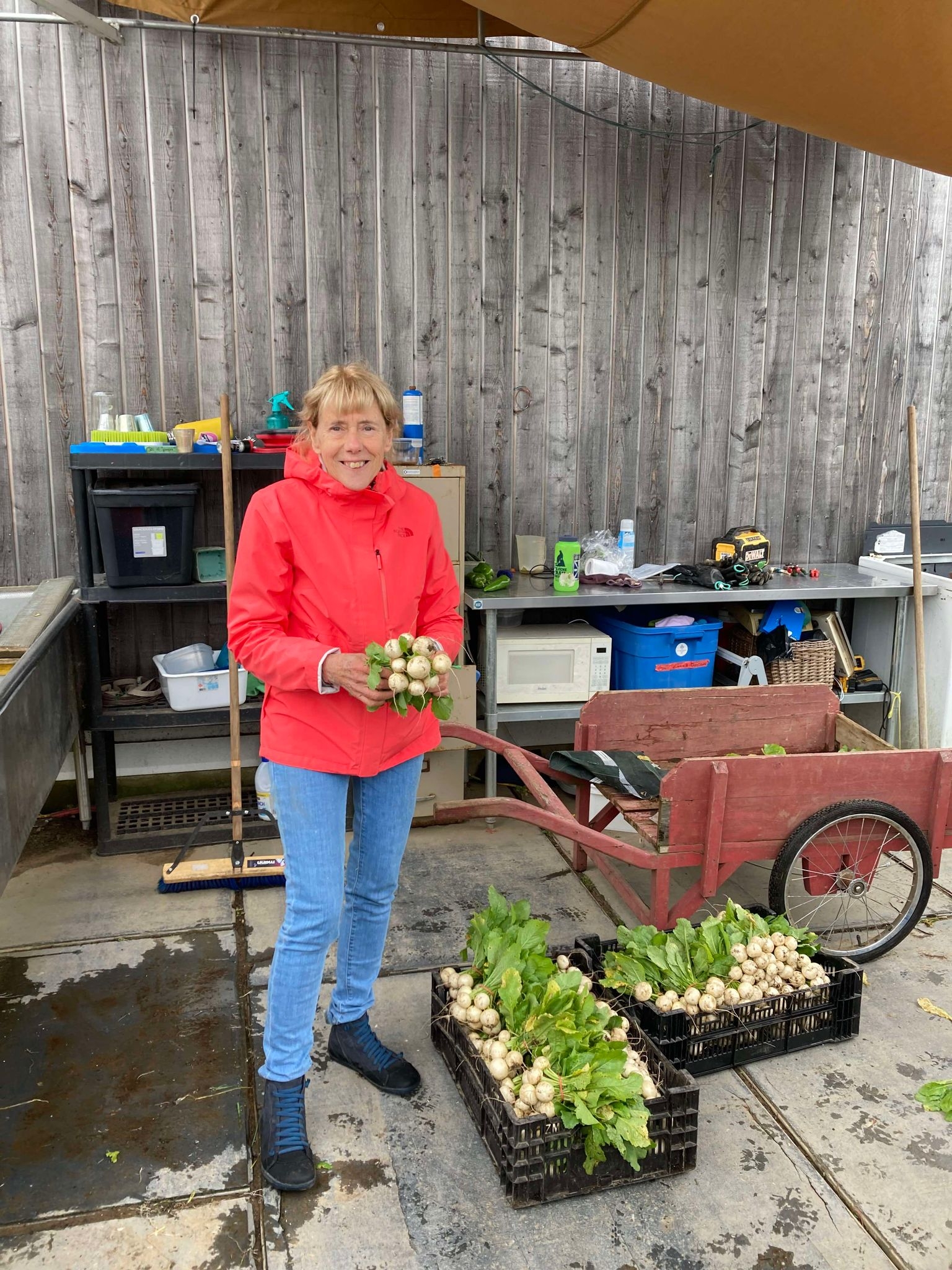
On the sidelines of the event, Mohamed Tefraouti interviewed Dr. Diane Pruneau, coordinator of the Climate-Adapted Gardens Project and Professor Emerita at the Faculty of Education, University of Moncton.
From Morocco to Canada: Lessons from Cooperatives in Resisting Climate Change
Interview with Dr. Diane Pruneau
1. How do you evaluate this international meeting on climate-resilient agriculture and the discussions among experts from Canada, Morocco, and Benin? What lessons did you learn from this diversity of perspectives?
I truly enjoyed this meeting. The Moroccan team is diverse and scientifically strong. The students are well-supported by their supervisors, and everyone’s goal is to help cooperatives improve their work and resist climate change. It is encouraging to participate in research that improves people’s lives.
2. How do you assess the contribution of scientific research in Morocco, especially through the experience of the Laboratory of Environment, Microbiology, and Mycology (LEMM), in adapting agriculture to climate change? Do you see any integration with the Canadian approach?
Yes, the Laboratory of Environment, Microbiology, and Mycology aims for innovation and is testing new resilience procedures, such as domesticating marine algae, and reintroducing caper and African pyrethrum plants. Very interesting work. Canada can learn from the techniques this lab uses.
3. The Climate-Adapted Gardens project offers solutions based on agroecology and local knowledge. In your opinion, what is the added value of this approach in combating the effects of climate change?
Our project aims to meet the needs of cooperatives, and the resilience practices being tested and implemented in communities are likely to multiply because they are rooted in those real needs.
4. You’ve participated in field visits to Morocco during this meeting. What observations or best practices did you notice in the field? Can they be transferred to other contexts, especially in Canada?
I visited those cooperatives two years ago, but I did not participate in this year’s field visits. Yes, the resilience efforts of Moroccan cooperatives are inspiring and beneficial to Canadian communities. We also grow thyme, rosemary, and saffron. Advice from Moroccan cooperatives is truly welcome.
5. What role do you think agricultural and forestry cooperatives should play in driving the shift toward more resilient and sustainable farming? And how can we support them effectively?
Sustainable agriculture yields positive long-term results in terms of product returns and marketing. These good outcomes are likely to inspire other cooperatives to adopt agroecological practices emerging from this research.
6. In your view, what should be the priorities for scientific and technical cooperation between Canada and Morocco to strengthen the resilience of agricultural systems in the face of climate challenges?
Sharing best practices and researcher expertise in the field of agroecology.