Morocco’s local and regional authorities had accumulated budget surpluses of 70.8 billion dirhams by the end of October 2026, according to the latest monthly local finance bulletin of the Treasury General of the Kingdom (TGR), whose figures were reported on Wednesday, November 25.
The total includes surpluses carried over from previous years as well as the surplus generated during the current year.
Revenue Growth Outpaces Spending
Budget execution by local authorities during the first ten months of 2026 produced an overall surplus of 9.47 billion dirhams, compared with 9.08 billion dirhams over the same period last year, the TGR said.
Ordinary revenue reached 48.4 billion dirhams, up 9.7 percent. The increase was driven by a 7.6 percent rise in revenue transferred from the state and a 19.5 percent jump in resources managed directly by the local authorities themselves.
Ordinary expenditure, by contrast, rose by just 0.9 percent to 23.4 billion dirhams, mainly because of higher staff costs and spending on goods and services.
Not Idle Cash, Says the Treasury
The TGR stressed that the accumulated surpluses are earmarked to cover programmed operating and capital expenditure. The remaining balance serves as available liquidity to pay expenses as they fall due, including salaries, water and electricity bills, rents, interest on debt and payments under delegated management contracts.
Communes, the level of local government closest to citizens, account for 63.5 percent of the total surpluses, with the remainder held by regional councils and prefecture and provincial councils.
Investment Debate
The figures come as Morocco places growing emphasis on the role of territories in financing development. Earlier this week, Economy and Finance Minister Fouzi Lekjaa said regions will need to mobilise at least 12 billion dirhams a year by 2030, starting in 2027.
The size of the accumulated balances is likely to feed debate over how quickly local authorities can turn available cash into infrastructure and public services for residents.
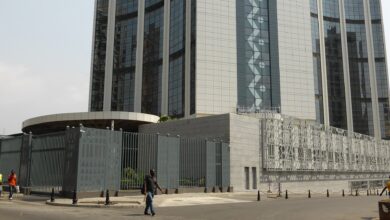
The clock tower of the Wilaya building in Casablanca (file photo). Photo: OussamaHamama / Wikimedia Commons, CC BY-SA 4.0 (source).